
Why Insulation Choices Influence Year-Round Living Comfort
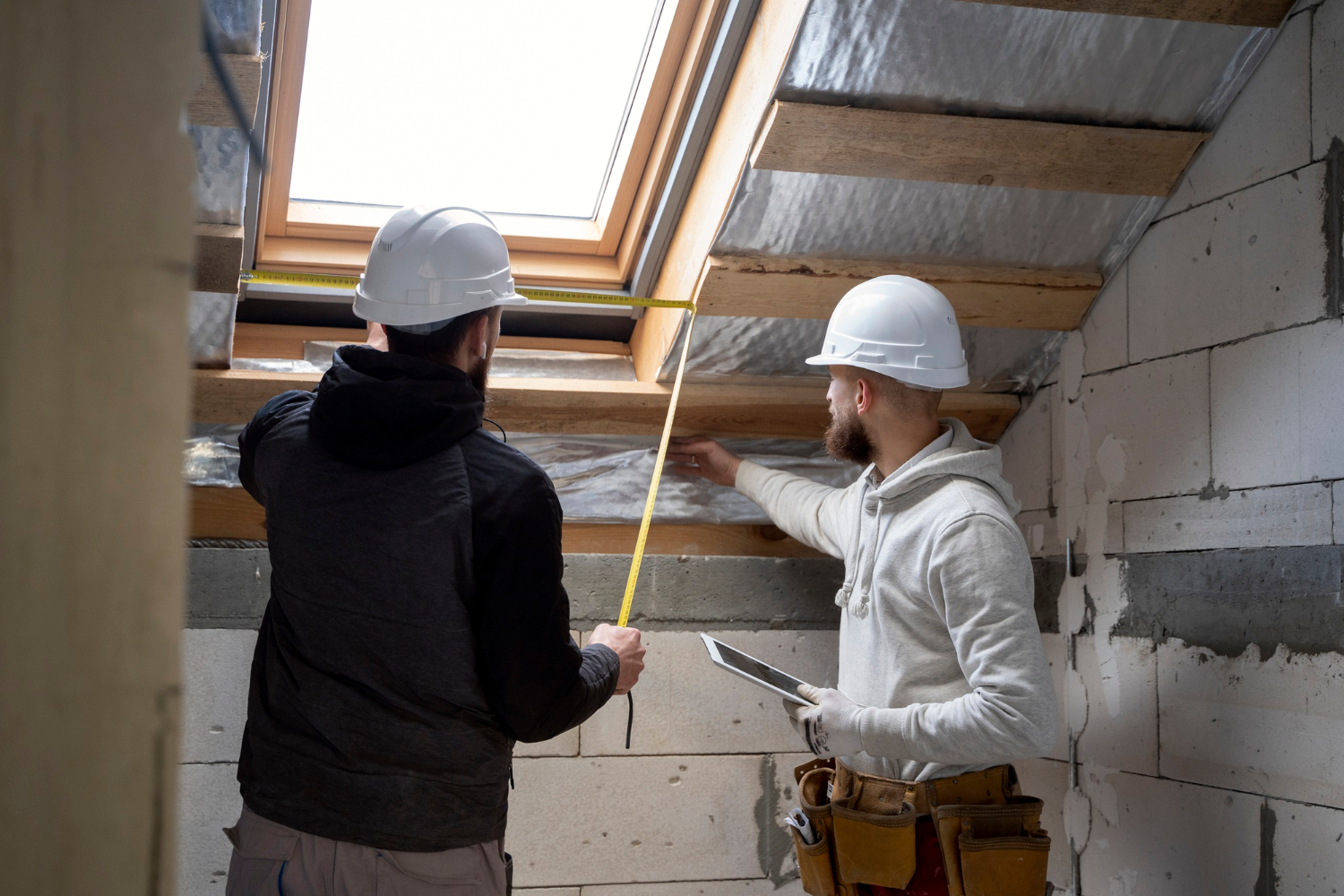
A comfortable home depends on more than heating and cooling systems. The materials hidden inside the walls, roof, and floors also play an important role in maintaining a pleasant indoor environment. As highlighted by hurra-wir-bauen.de, thoughtful construction planning includes selecting insulation that supports both energy efficiency and long-term living comfort. These materials, known as insulation, help control the movement of heat between the inside and outside of a house. Good insulation keeps warm air inside during colder months while limiting heat from entering during warmer seasons. As a result, indoor temperatures remain more stable throughout the year. Understanding why insulation choices influence year-round living comfort helps homeowners appreciate how this often-overlooked part of construction contributes to everyday well-being and long-term home performance.
Managing Indoor Temperatures
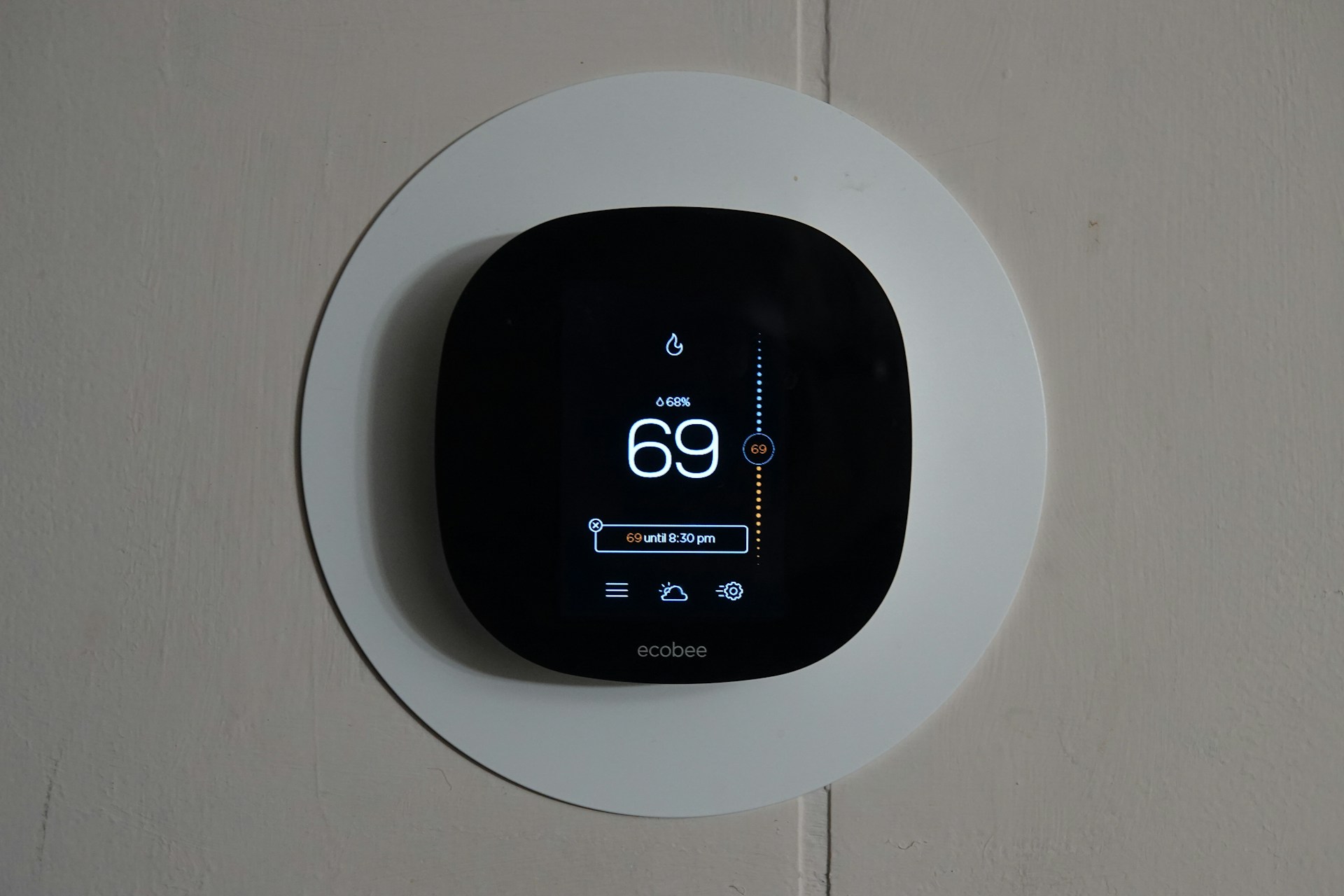
One of the main purposes of insulation is to reduce unwanted heat transfer. Without proper insulation, indoor temperatures change more quickly as outdoor conditions fluctuate. During summer, insulation slows the movement of outside heat into the home. In winter, it helps keep heated indoor air from escaping. This balance allows living spaces to remain more comfortable without large temperature swings between rooms. Stable indoor conditions reduce the need for constant thermostat adjustments and make the home feel more comfortable throughout changing weather conditions. Consistent temperatures contribute directly to a better daily living experience.
Improving Energy Efficiency
Heating and cooling systems work harder when a home loses or gains heat too easily. Poor insulation forces these systems to operate longer to maintain comfortable temperatures. Choosing suitable insulation helps reduce this workload by improving the home’s thermal performance. As indoor temperatures remain more stable, heating and cooling equipment can operate more efficiently. Lower energy consumption often leads to reduced utility costs while extending the lifespan of HVAC equipment. Better insulation supports comfort while also improving the overall efficiency of residential energy use.
Reducing Outdoor Noise
Insulation provides benefits beyond temperature control. Many insulation materials also help reduce the movement of sound through walls, ceilings, and floors. Homes located near busy roads, schools, airports, or commercial areas often experience less outside noise when properly insulated. Interior sound transfer between rooms may also decrease, creating quieter living environments for work, relaxation, or sleep. Reduced noise contributes to overall comfort because occupants experience fewer everyday disturbances. A quieter home often feels more peaceful even during active periods outside.
Controlling Indoor Moisture
Moisture management is another important function supported by proper insulation. Temperature differences between indoor and outdoor air may create condensation within walls or ceilings if insulation is inadequate. Excess moisture can contribute to mold growth, material deterioration, and reduced indoor air quality over time. Appropriate insulation helps limit these temperature differences while supporting better moisture control throughout the building envelope. Combined with proper ventilation, insulation helps create healthier indoor conditions while protecting structural components from unnecessary moisture-related damage. Maintaining balanced indoor humidity also improves everyday comfort.
Supporting Long-Term Home Performance
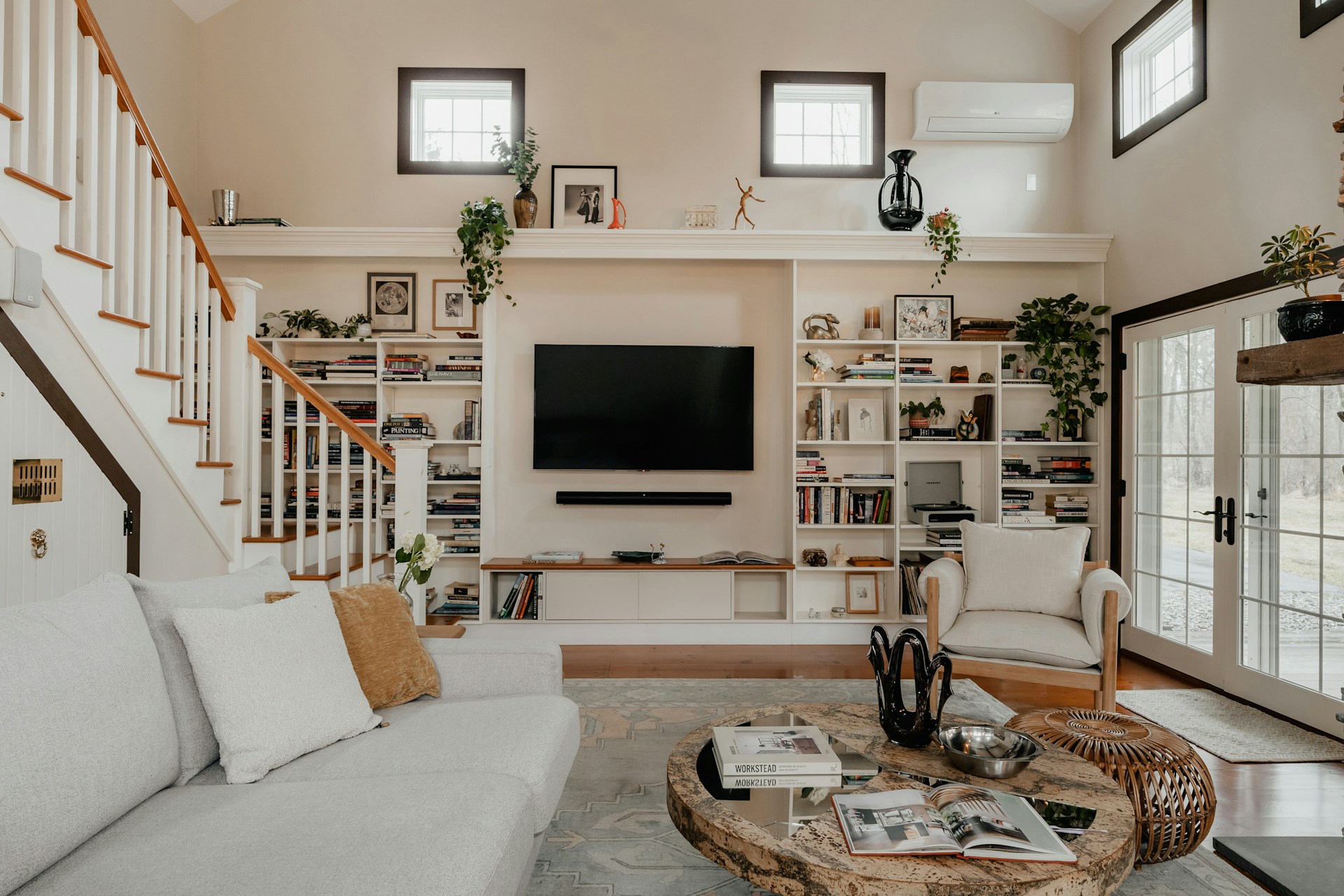
Homes are long-term investments, and construction decisions made during building continue affecting performance for many years. Insulation remains one of the permanent features that influences comfort throughout the life of the property. Well-insulated homes often place less stress on heating and cooling systems because indoor temperatures remain more consistent. Building materials may also experience fewer problems related to extreme temperature fluctuations or moisture movement. These long-term benefits support both homeowner satisfaction and overall property durability. Careful insulation choices provide value long after construction has been completed.
Choosing Appropriate Insulation
Several insulation materials are available for residential construction, and each offers different performance characteristics depending on the home’s design and climate. Builders consider factors such as wall construction, attic design, local weather conditions, and energy goals when selecting insulation. Proper installation is equally important because even high-quality materials perform poorly if gaps or compressed sections reduce their effectiveness. Working with experienced construction professionals helps homeowners select insulation solutions that match both the building design and local environmental conditions. Thoughtful planning supports better comfort across every season.
Insulation choices influence year-round living comfort by managing indoor temperatures, improving energy efficiency, reducing outdoor noise, controlling indoor moisture, supporting long-term home performance, and matching insulation materials to the home’s specific needs. Although insulation remains hidden behind finished surfaces, its impact is experienced every day through more stable and comfortable indoor conditions. Understanding why insulation choices influence year-round living comfort demonstrates that effective home construction depends on careful attention to every part of the building envelope. Well-planned insulation contributes to lower energy use, improved indoor comfort, healthier living conditions, and stronger long-term property performance. As homeowners continue prioritizing comfort and efficiency, insulation will remain one of the most valuable investments in residential construction.
A comfortable home depends on more than heating and cooling systems. The materials hidden inside the walls, roof, and floors also play an important role in maintaining a pleasant indoor environment. As highlighted by hurra-wir-bauen.de, thoughtful construction planning includes selecting insulation that supports both energy efficiency and long-term living comfort. These materials, known as insulation,…

