
Why Consistent Design Themes Create More Harmonious Interiors
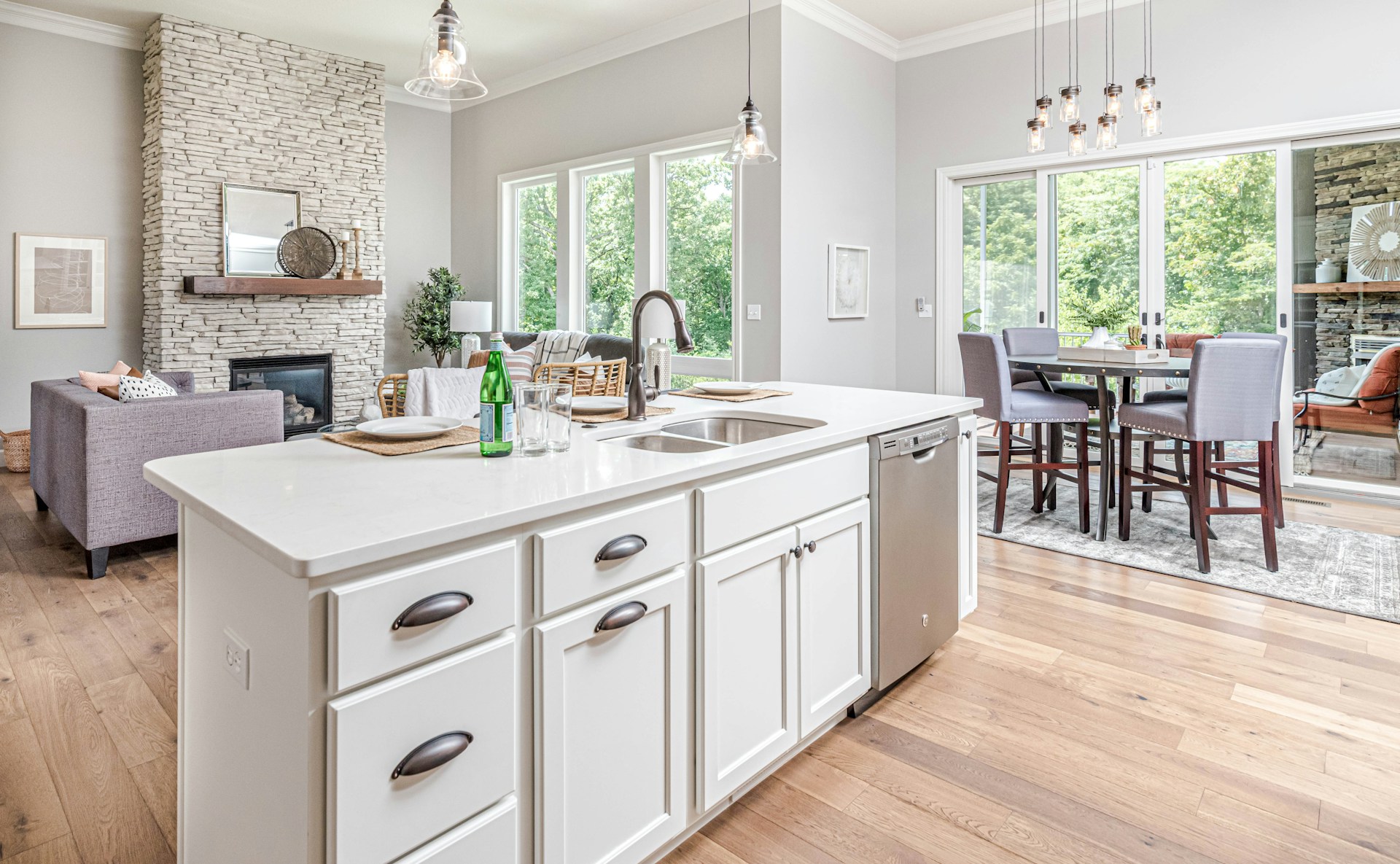
A home often feels more comfortable when its spaces share a clear visual connection rather than competing with one another. Consistent design themes help unify materials, colors, textures, and architectural details, creating a natural flow as people move from room to room. HAUSBAUHELDEN.de talks about building materials, where healthy indoor climate is prioritized. The harmony is achieved through thoughtful planning rather than excessive decoration. This consistency does not require every space to look identical; instead, it encourages complementary elements that support the overall character of the home. Exploring the value of cohesive design reveals why a unified interior can enhance both the appearance and everyday experience of residential living.
How Consistency Creates Visual Flow
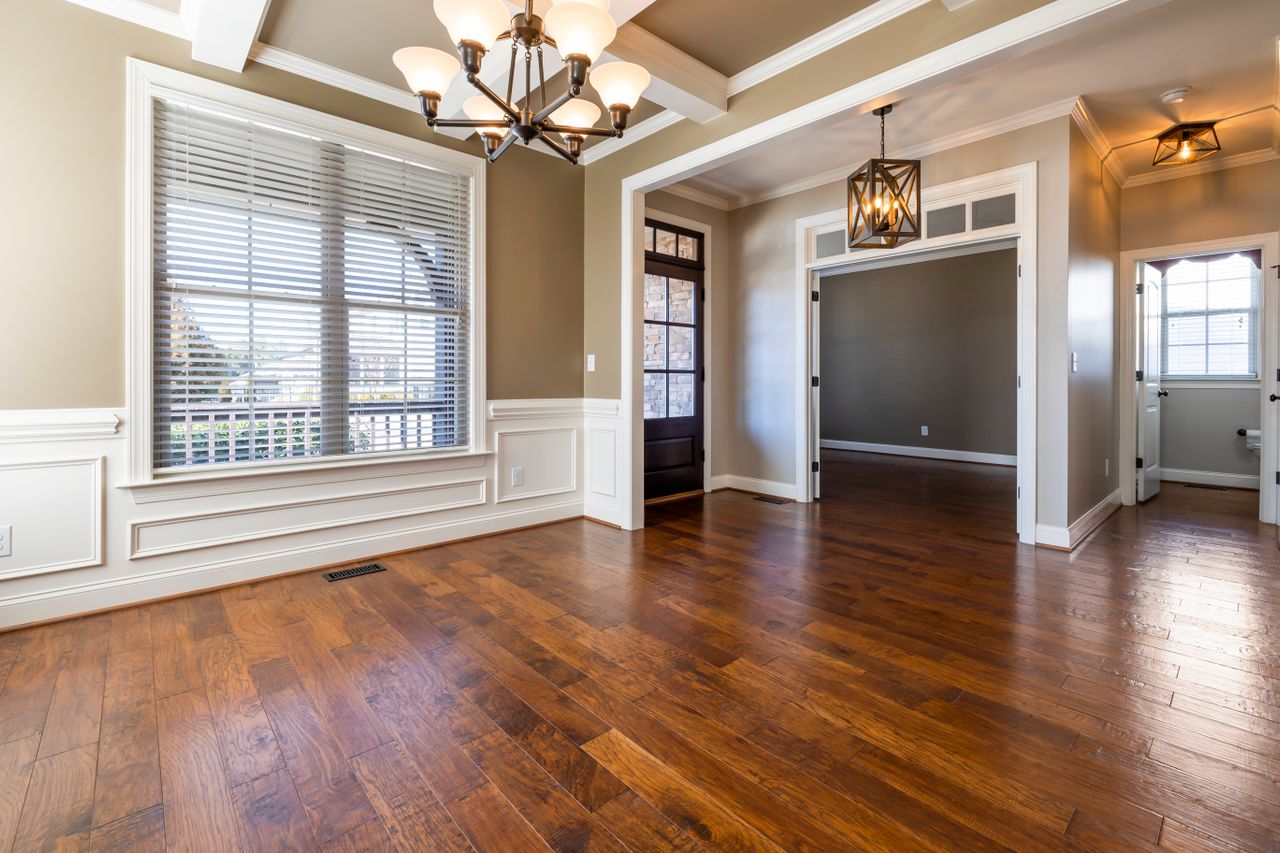
When similar design elements appear throughout a home, movement from one room to another often feels more natural. Repeated colors, materials, or finishes create visual continuity, helping connect separate spaces into a cohesive whole. Flooring, wall treatments, lighting styles, and cabinetry can all contribute to this sense of flow without making every room appear the same. As people move through the home, these shared features create subtle connections that reduce abrupt visual changes and strengthen the interior’s overall composition.
The Relationship Between Materials and Harmony
The choice of materials plays an important role in establishing a harmonious design theme. Wood, stone, glass, metal, and fabric each introduce different textures and visual qualities. When these materials are selected to complement one another, the home develops a balanced appearance that feels intentional rather than random. Harmony comes from the relationships among finishes rather than the quantity of materials used. A carefully coordinated combination of textures can create visual interest while maintaining a consistent atmosphere across different rooms.
Why Balanced Color Palettes Matter
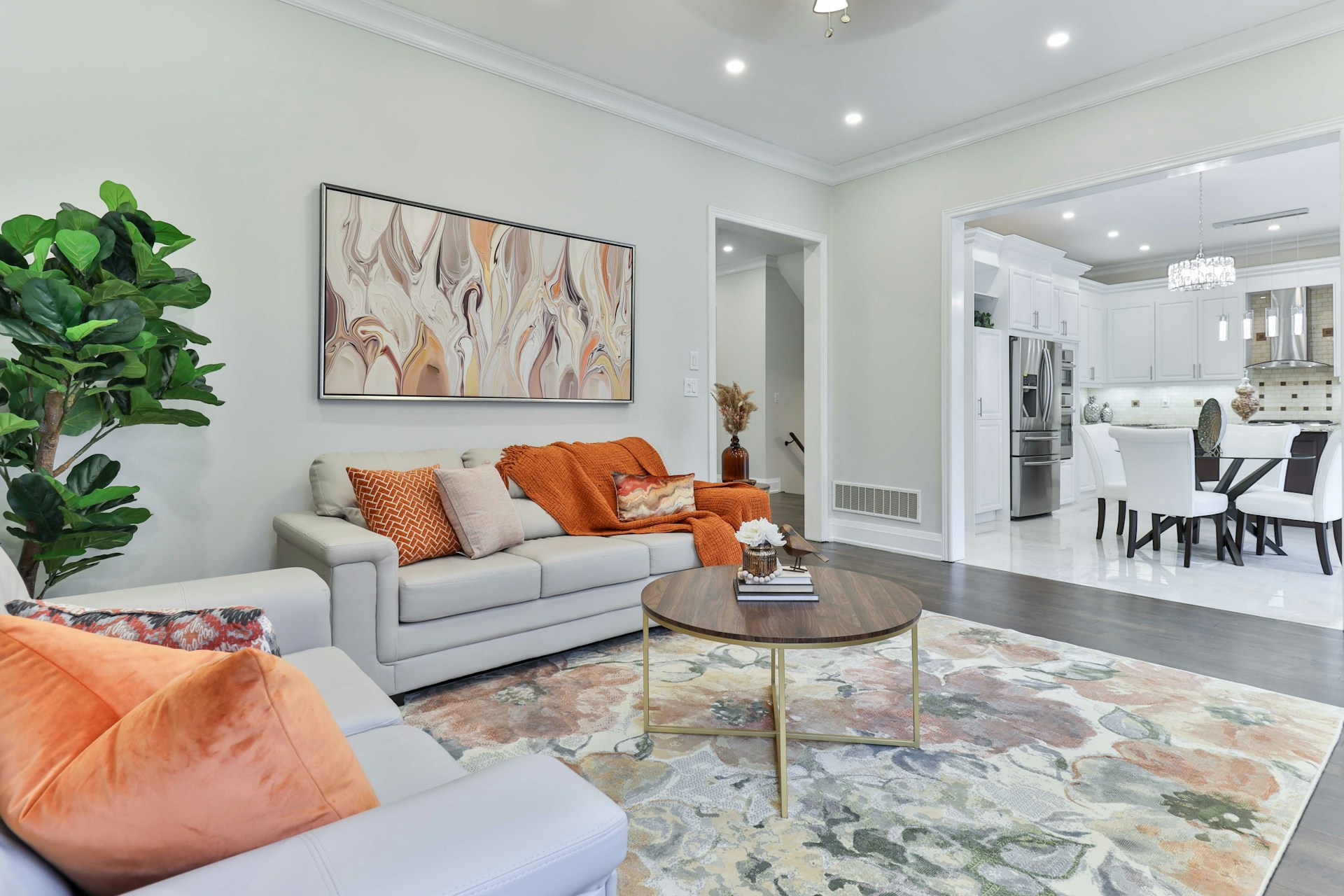
Color is one of the most noticeable elements connecting interior spaces. A balanced palette can create continuity by allowing different rooms to relate to one another without becoming repetitive. Neutral tones, complementary colors, or carefully selected accent shades can establish a common visual language throughout the home. This approach allows individual spaces to express their own identities while remaining part of a unified design. Consistent color relationships also influence how light is perceived, contributing to a calmer and more cohesive environment.
How Architectural Details Reinforce Design Themes
Architectural elements such as door styles, window proportions, ceiling treatments, moldings, and built-in features can strengthen consistency throughout a home. These permanent details provide a structural framework that supports the overall design theme regardless of changes in furniture or decor. When similar architectural characteristics appear across several rooms, they create lasting visual connections that help define the home’s identity. This continuity often remains effective even as interior furnishings evolve.
Why Consistency Supports Long-Term Adaptability
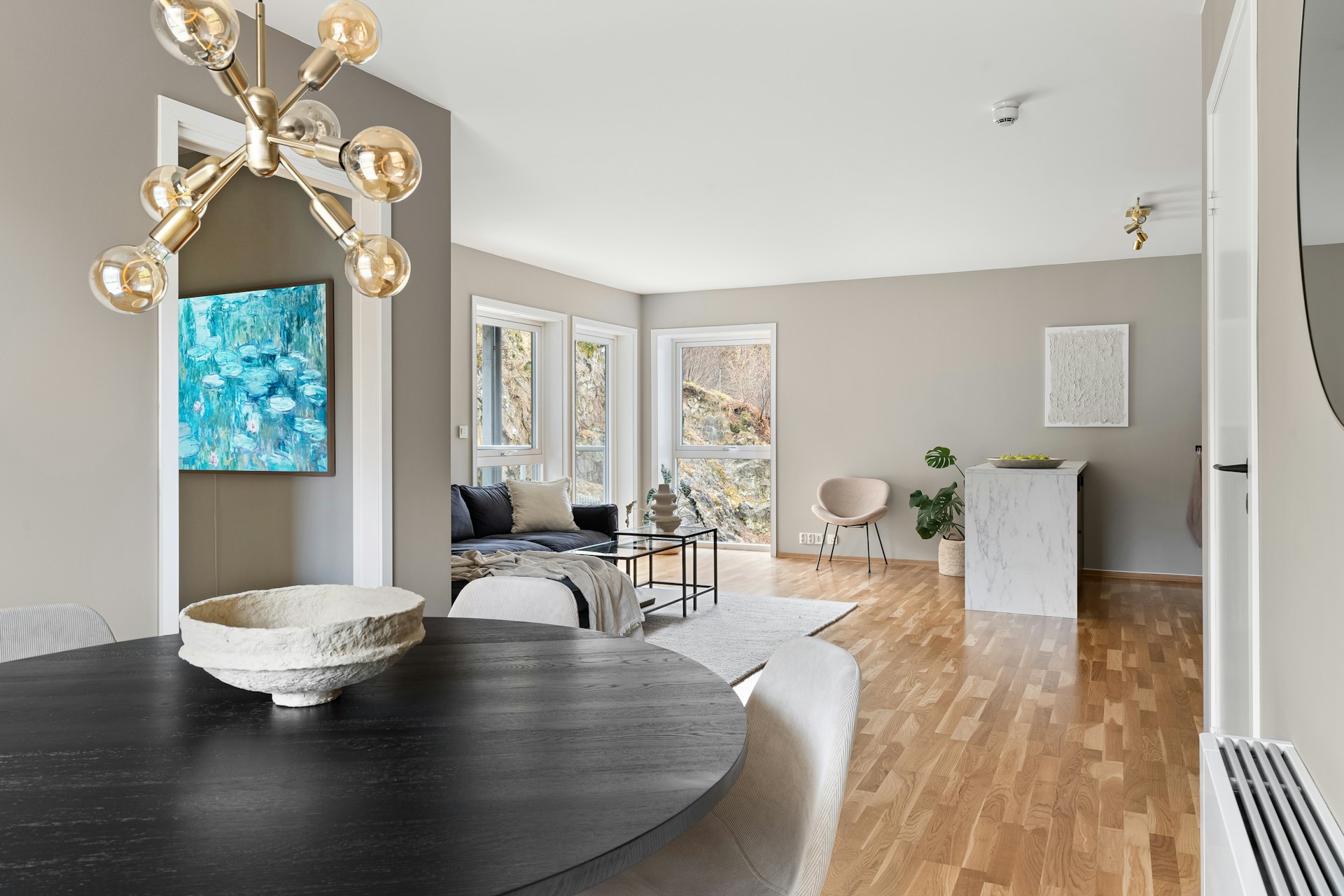
A consistent design theme can make it easier for interiors to adapt to changing preferences. Because the overall framework remains visually balanced, furniture, artwork, or decorative accessories can be updated without disrupting the home’s character. Individual pieces can change while the underlying relationships between colors, materials, and architectural features continue to create harmony. This flexibility allows homes to evolve gradually while preserving a coherent visual identity that remains comfortable and appealing over the long term.
Consistent design themes create more harmonious interiors by establishing visual connections between rooms through coordinated materials, colors, architectural details, and spatial relationships. These recurring elements help transform separate spaces into a unified living environment while allowing each room to serve its own purpose. Rather than limiting creativity, consistency provides a framework that supports balance, comfort, and long-term adaptability. The result is an interior that feels connected and thoughtfully organized, demonstrating how harmony often comes from the relationships between design elements rather than from individual features alone.
A home often feels more comfortable when its spaces share a clear visual connection rather than competing with one another. Consistent design themes help unify materials, colors, textures, and architectural details, creating a natural flow as people move from room to room. HAUSBAUHELDEN.de talks about building materials, where healthy indoor climate is prioritized. The harmony…

