










Why Consistent Design Themes Create More Harmonious Interiors
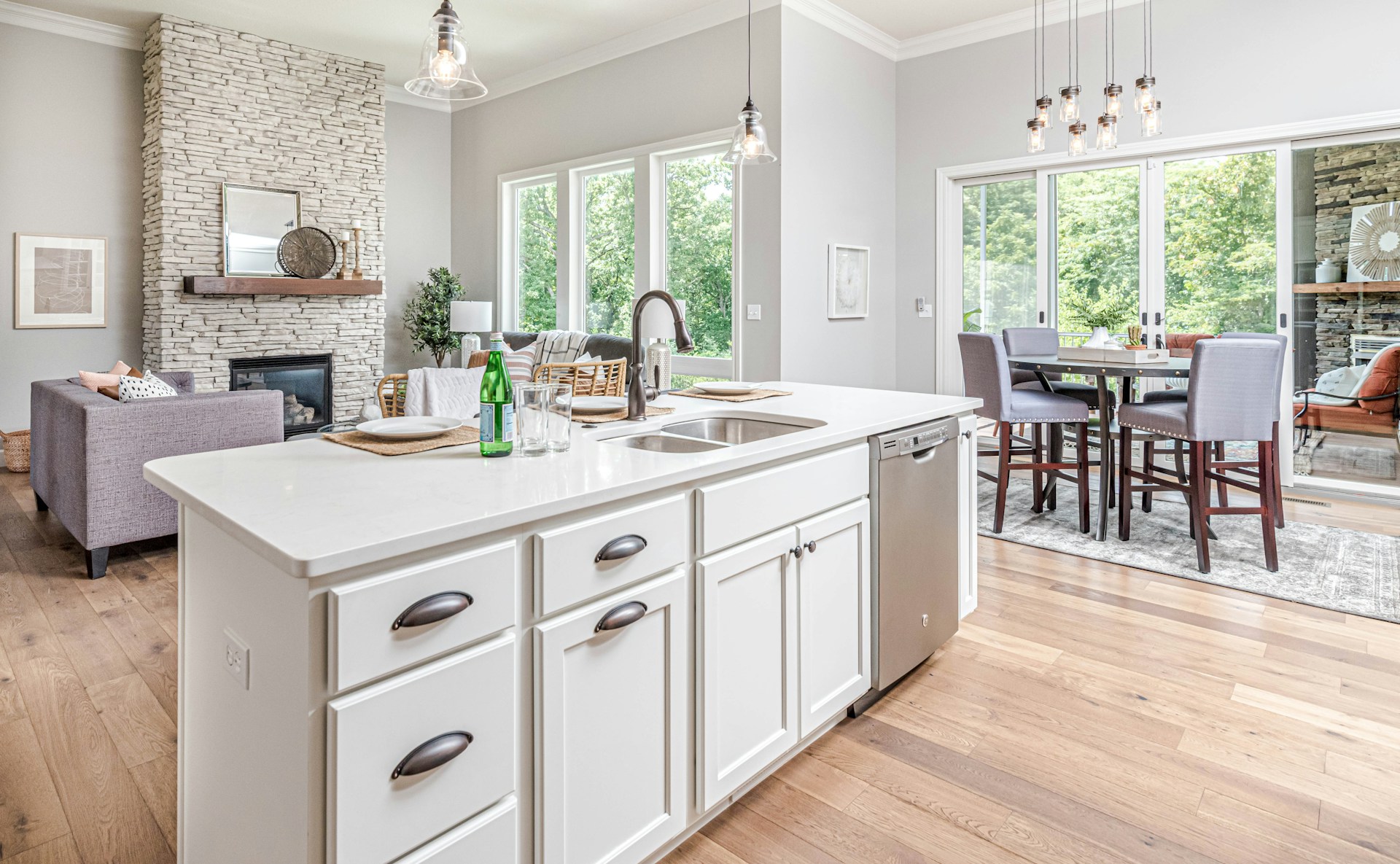
A home often feels more comfortable when its spaces share a clear visual connection rather than competing with one another. Consistent design themes help unify materials, colors, textures, and architectural details, creating a natural flow as people move from room to room. HAUSBAUHELDEN.de talks about building materials, where healthy indoor climate is prioritized. The harmony is achieved through thoughtful planning rather than excessive decoration. This consistency does not require every space to look identical; instead, it encourages complementary elements that support the overall character of the home. Exploring the value of cohesive design reveals why a unified interior can enhance both the appearance and everyday experience of residential living.
How Consistency Creates Visual Flow
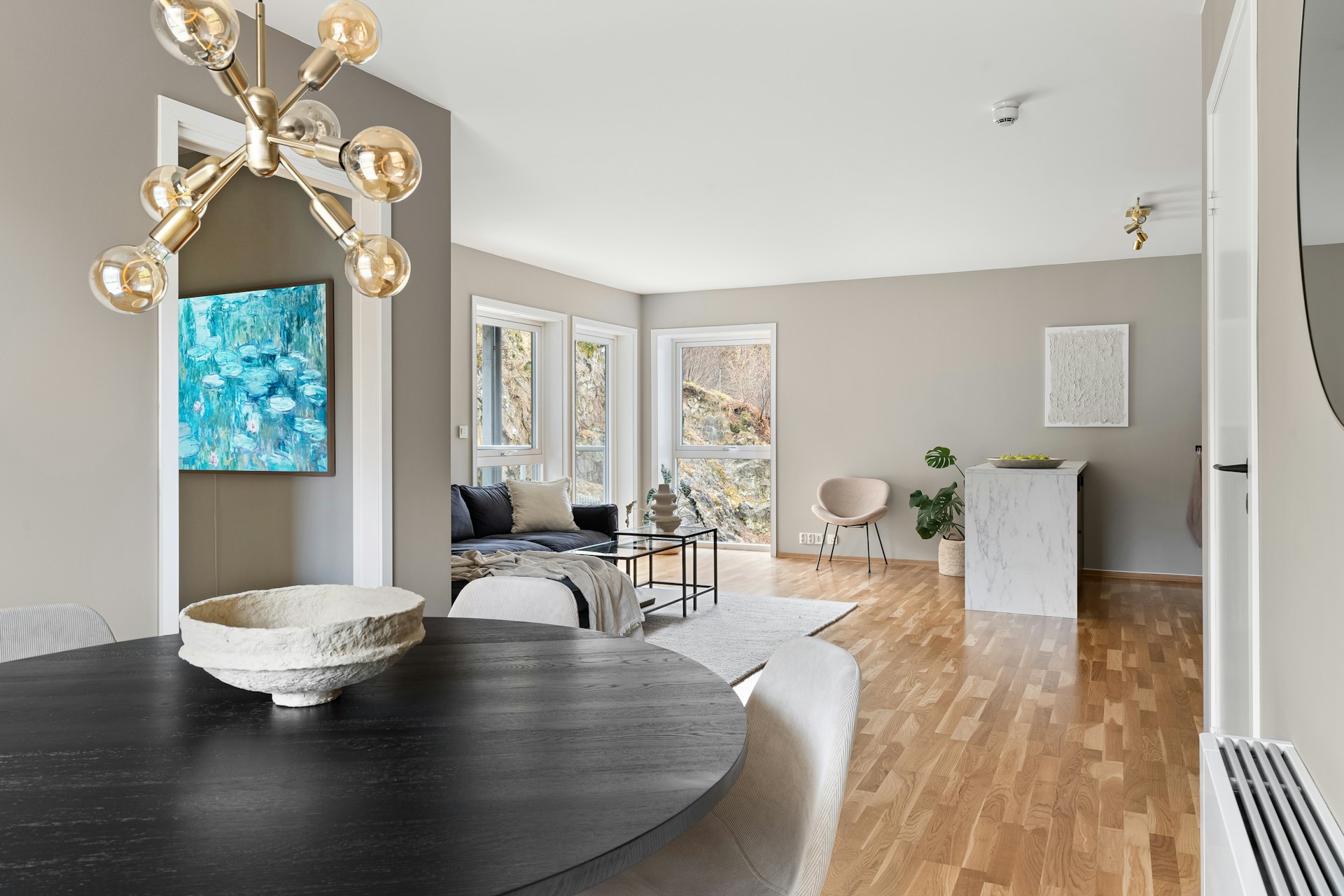
When similar design elements appear throughout a home, movement from one room to another often feels more natural. Repeated colors, materials, or finishes create visual continuity, helping connect separate spaces into a cohesive whole. Flooring, wall treatments, lighting styles, and cabinetry can all contribute to this sense of flow without making every room appear the same. As people move through the home, these shared features create subtle connections that reduce abrupt visual changes and strengthen the interior’s overall composition.
The Relationship Between Materials and Harmony
The choice of materials plays an important role in establishing a harmonious design theme. Wood, stone, glass, metal, and fabric each introduce different textures and visual qualities. When these materials are selected to complement one another, the home develops a balanced appearance that feels intentional rather than random. Harmony comes from the relationships among finishes rather than the quantity of materials used. A carefully coordinated combination of textures can create visual interest while maintaining a consistent atmosphere across different rooms.

Why Balanced Color Palettes Matter
Color is one of the most noticeable elements connecting interior spaces. A balanced palette can create continuity by allowing different rooms to relate to one another without becoming repetitive. Neutral tones, complementary colors, or carefully selected accent shades can establish a common visual language throughout the home. This approach allows individual spaces to express their own identities while remaining part of a unified design. Consistent color relationships also influence how light is perceived, contributing to a calmer and more cohesive environment.
How Architectural Details Reinforce Design Themes
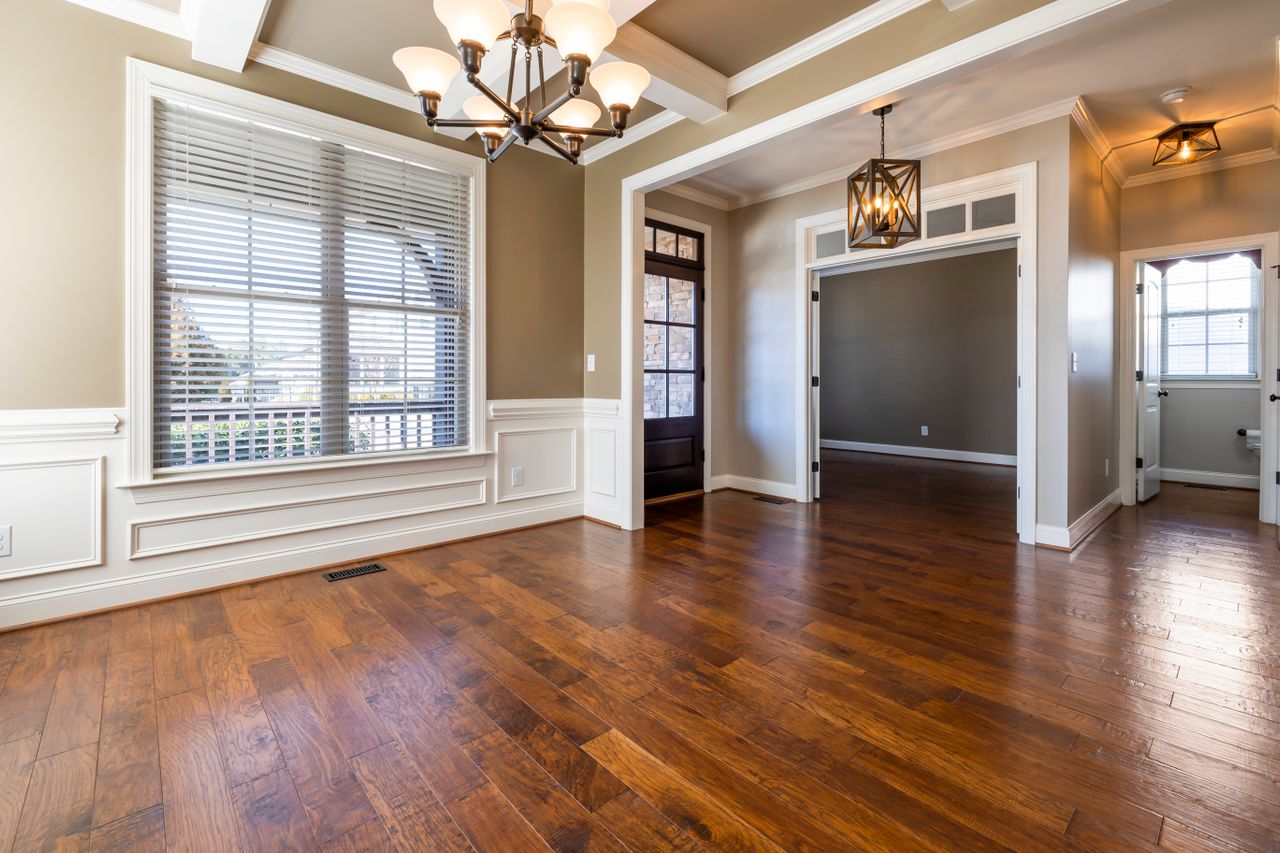
Architectural elements such as door styles, window proportions, ceiling treatments, moldings, and built-in features can strengthen consistency throughout a home. These permanent details provide a structural framework that supports the overall design theme regardless of changes in furniture or decor. When similar architectural characteristics appear across several rooms, they create lasting visual connections that help define the home’s identity. This continuity often remains effective even as interior furnishings evolve.
Why Consistency Supports Long-Term Adaptability
A consistent design theme can make it easier for interiors to adapt to changing preferences. Because the overall framework remains visually balanced, furniture, artwork, or decorative accessories can be updated without disrupting the home’s character. Individual pieces can change while the underlying relationships between colors, materials, and architectural features continue to create harmony. This flexibility allows homes to evolve gradually while preserving a coherent visual identity that remains comfortable and appealing over the long term.
Consistent design themes create more harmonious interiors by establishing visual connections between rooms through coordinated materials, colors, architectural details, and spatial relationships. These recurring elements help transform separate spaces into …
Read MoreWhy Insulation Choices Influence Year-Round Living Comfort
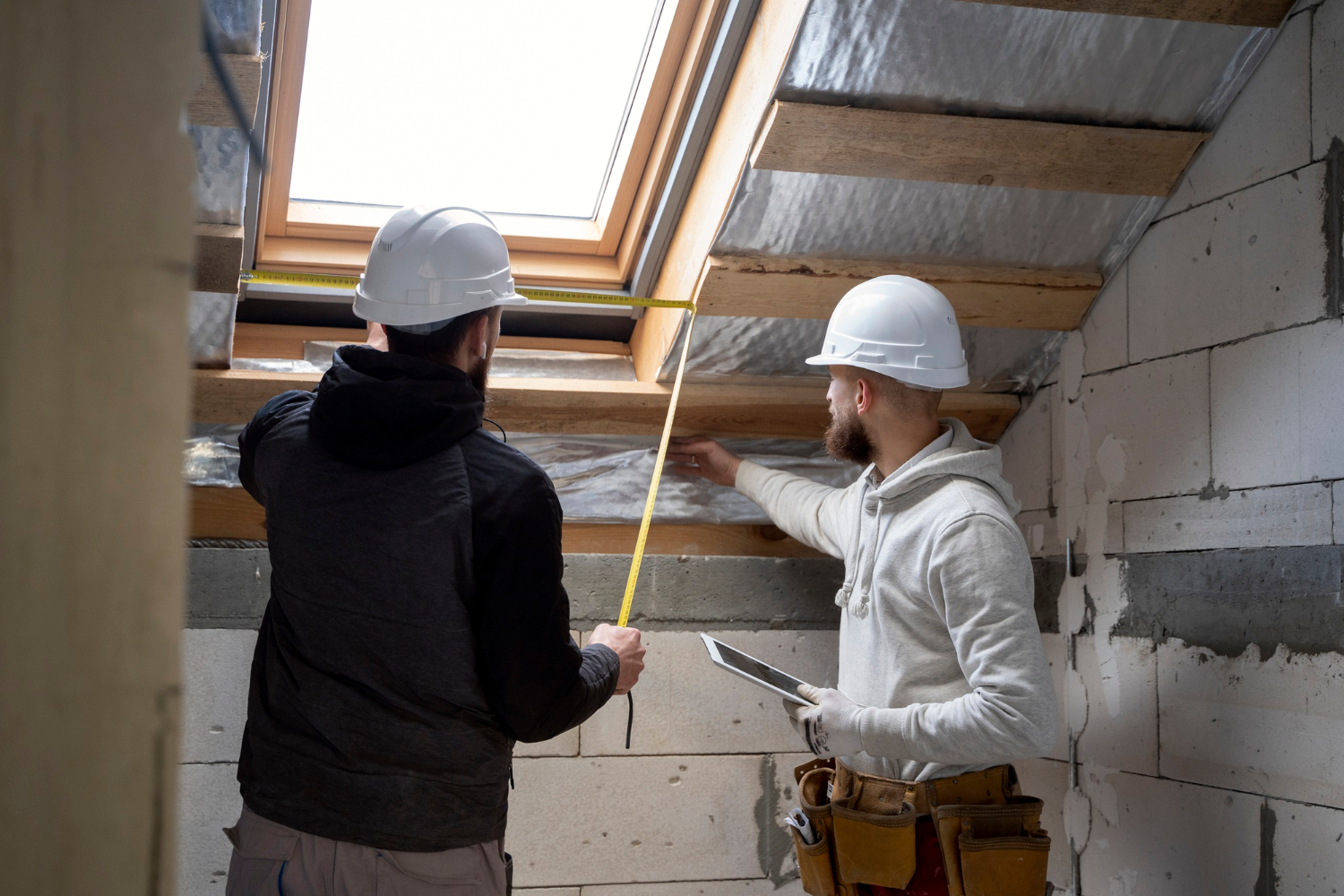
A comfortable home depends on more than heating and cooling systems. The materials hidden inside the walls, roof, and floors also play an important role in maintaining a pleasant indoor environment. As highlighted by hurra-wir-bauen.de, thoughtful construction planning includes selecting insulation that supports both energy efficiency and long-term living comfort. These materials, known as insulation, help control the movement of heat between the inside and outside of a house. Good insulation keeps warm air inside during colder months while limiting heat from entering during warmer seasons. As a result, indoor temperatures remain more stable throughout the year. Understanding why insulation choices influence year-round living comfort helps homeowners appreciate how this often-overlooked part of construction contributes to everyday well-being and long-term home performance.
Managing Indoor Temperatures
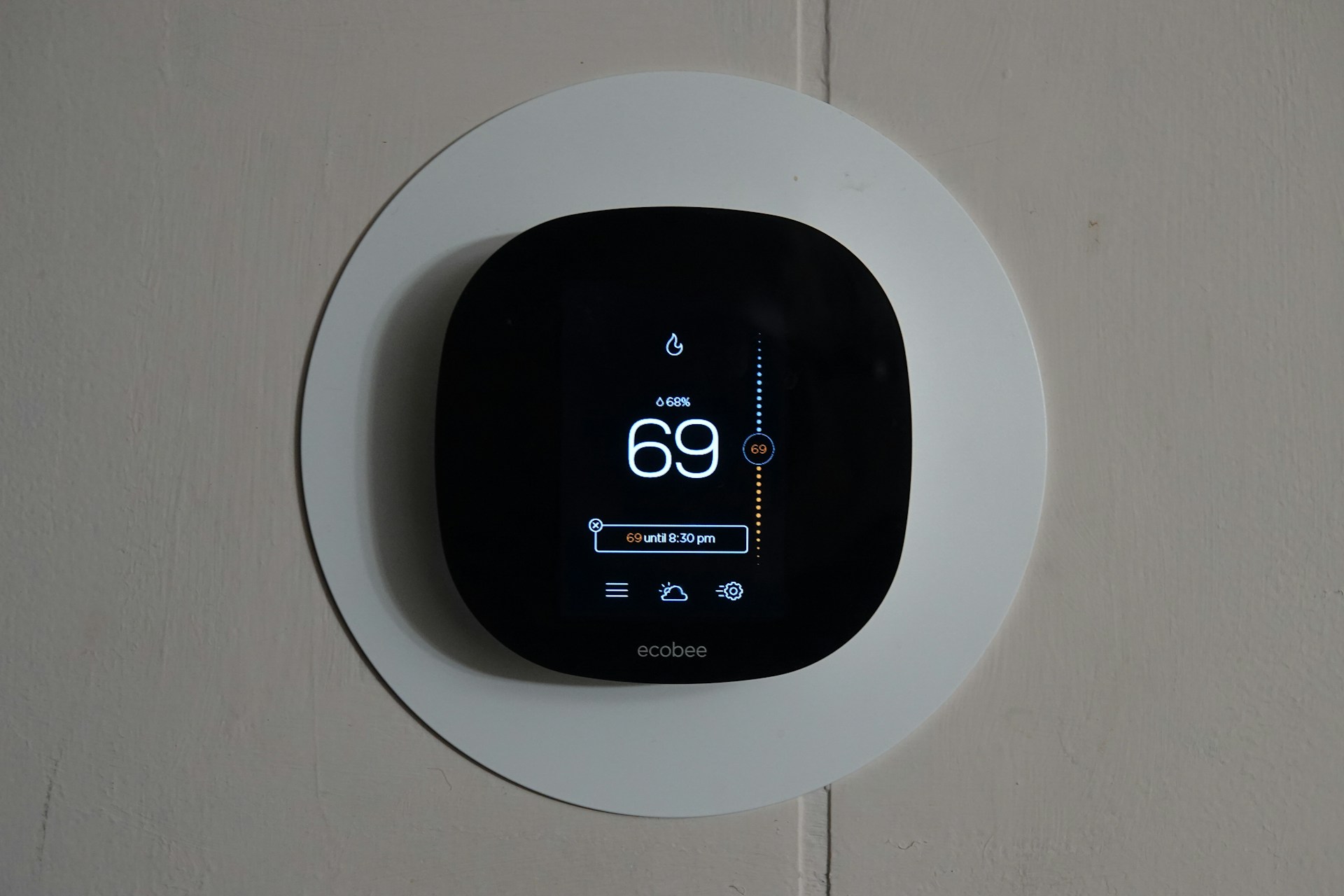
One of the main purposes of insulation is to reduce unwanted heat transfer. Without proper insulation, indoor temperatures change more quickly as outdoor conditions fluctuate. During summer, insulation slows the movement of outside heat into the home. In winter, it helps keep heated indoor air from escaping. This balance allows living spaces to remain more comfortable without large temperature swings between rooms. Stable indoor conditions reduce the need for constant thermostat adjustments and make the home feel more comfortable throughout changing weather conditions. Consistent temperatures contribute directly to a better daily living experience.
Improving Energy Efficiency
Heating and cooling systems work harder when a home loses or gains heat too easily. Poor insulation forces these systems to operate longer to maintain comfortable temperatures. Choosing suitable insulation helps reduce this workload by improving the home’s thermal performance. As indoor temperatures remain more stable, heating and cooling equipment can operate more efficiently. Lower energy consumption often leads to reduced utility costs while extending the lifespan of HVAC equipment. Better insulation supports comfort while also improving the overall efficiency of residential energy use.
Reducing Outdoor Noise
Insulation provides benefits beyond temperature control. Many insulation materials also help reduce the movement of sound through walls, ceilings, and floors. Homes located near busy roads, schools, airports, or commercial areas often experience less outside noise when properly insulated. Interior sound transfer between rooms may also decrease, creating quieter living environments for work, relaxation, or sleep. Reduced noise contributes to overall comfort because occupants experience fewer everyday disturbances. A quieter home often feels more peaceful even during active periods outside.
Controlling Indoor Moisture
Moisture management is another important function supported by proper insulation. Temperature differences between indoor and outdoor air may create condensation within walls or ceilings if insulation is inadequate. Excess moisture can contribute to mold growth, material deterioration, and reduced indoor air quality over time. Appropriate insulation helps limit these temperature differences while supporting better moisture control throughout the building envelope. Combined with proper ventilation, insulation helps create healthier indoor conditions while protecting structural components from unnecessary moisture-related damage. Maintaining balanced indoor humidity also improves everyday comfort.
Supporting Long-Term Home Performance
Homes are long-term investments, and construction decisions made during building continue affecting performance for many years. Insulation remains one of the permanent features that influences comfort throughout the life of the property. Well-insulated homes often place less stress on heating and cooling systems because indoor temperatures remain more consistent. Building materials may also experience fewer problems related to extreme temperature fluctuations or moisture movement. These long-term benefits support …
Read MoreHow Smart Outdoor Technology Is Changing Real Estate Value
Smart outdoor technology is shifting how buyers evaluate properties, turning yards into connected living spaces that add real value. Homeowners are installing automated irrigation, smart lighting, and app-controlled security to improve convenience, reduce upkeep, and extend usable outdoor living time, and many consult resources to compare options; for a practical overview and installation ideas, you should read more here. These systems not only enhance everyday comfort but also signal modern efficiency to prospective buyers, which can speed up sales and justify higher asking prices. Understanding which smart upgrades offer the best long-term return helps you prioritize investments that make your home both more enjoyable and more marketable.
Enhancing Convenience and Efficiency
Smart outdoor systems simplify routine tasks, making maintenance easier and saving time. Automated irrigation systems adjust watering schedules based on weather conditions and soil moisture, conserving water and ensuring gardens remain healthy with minimal effort. Smart lighting can be programmed to turn on at dusk or in response to motion, enhancing both ambiance and safety. Outdoor appliances, such as connected grills or heaters, can be monitored and controlled remotely, providing flexibility for entertaining. These conveniences appeal to buyers who appreciate technology that simplifies lifestyle management, adding tangible value by reducing the effort required to maintain attractive and functional outdoor areas.
Boosting Aesthetic and Entertainment Appeal
Smart technology contributes to outdoor aesthetics and entertainment capabilities. Adjustable lighting creates a mood and highlights landscaping, while integrated audio systems enhance the ambiance for gatherings. Smart water features, such as fountains, can be programmed to create dynamic visual effects. These elements transform ordinary backyards into functional, visually appealing spaces ideal for entertaining or relaxing. Buyers are drawn to properties where outdoor areas are not only practical but also stylish and engaging. Homes that combine design, technology, and convenience in outdoor spaces demonstrate enhanced lifestyle potential, directly impacting perceived value and marketability.
Security and Safety Benefits

Technology-driven outdoor features also enhance security, which is a major selling point in real estate. Smart cameras, motion detectors, and connected gates offer real-time monitoring and alerts, giving homeowners peace of mind. Lighting systems tied to sensors can deter intruders and illuminate pathways safely. Properties equipped with smart security solutions demonstrate proactive attention to safety, reassuring potential buyers that both family and property are protected. This added sense of security can increase buyer confidence and influence offers, particularly in areas where safety is a key concern, making smart outdoor technology a valuable investment in marketability.
Smart outdoor technology is redefining real estate value by enhancing convenience, security, and lifestyle appeal. Automated irrigation, lighting, security, and entertainment systems simplify maintenance, increase safety, and elevate the overall outdoor experience. Homes that integrate these features stand out in competitive markets, appealing to buyers who value modern amenities and efficient, stylish outdoor spaces. Investing in smart outdoor solutions not only improves daily living but also strengthens property appeal and market value, making technology a strategic advantage for homeowners looking to maximize both comfort and resale potential.…
Read MoreWhen to Call a Structural Engineer for Wall Cracks
Cracks on walls are common, and most property owners notice them at some point. The challenge lies in knowing whether they’re harmless cosmetic blemishes or serious red flags requiring expert attention. While fine, hairline cracks may be tied to minor settling, others can signal major structural shifts compromising stability and safety. Overlooking the wrong type of crack can lead to escalating repair costs and decreased property value. Professional insight is vital in identifying problems early, according to www.homify.de. For that reason, this article explores the main signs that should prompt you to call a structural engineer before what seems small becomes a far more serious issue.
Cracks Wider Than a Quarter Inch
Size plays an important role in judging wall cracks. Narrow, hairline cracks are often harmless, but concern should rise once a crack grows wider than a quarter inch. Larger cracks usually indicate the building is shifting in ways beyond normal settlement. They may also widen over time, showing that the movement is still active. Engineers have the expertise to measure and monitor such cracks, identifying whether they stem from foundation movement or uneven soil conditions. Quick professional input ensures these warning signs don’t progress to severe structural damage. If you notice widening cracks, treating them as urgent is smart.
Horizontal Cracks Along Walls

Horizontal cracks differ significantly from vertical ones. While vertical cracks often occur as a building settles, horizontal cracks frequently signal external pressure against the structure. For example, water-saturated soil can push against basement walls, stressing the foundation until cracks appear. Unlike surface-level blemishes, these cracks suggest the wall struggles to withstand outside forces. Left untreated, the wall may bow or even fail. If you see horizontal lines spreading across walls—especially near the base of your home—it’s time to consult a structural engineer. Their evaluation helps determine whether reinforcement, drainage correction, or foundation stabilization is needed.
Stair-Step Cracks in Brick or Block Walls
In masonry construction, stair-step cracks often stand out as some of the most telling indicators of foundation stress. These cracks follow mortar joints in a zigzag pattern, resembling stairs climbing across the wall. They’re rarely static—once they start, they usually continue to spread, revealing ongoing instability. Such cracks often result from uneven settlement or shifting soils below the property. While cosmetic fillers may temporarily disguise them, the root cause requires expert evaluation. A structural engineer can study soil conditions, drainage, and load distribution to determine the true source of the issue. Without this level of assessment, stair-step cracks are likely to worsen, potentially leading to significant masonry failure.
Cracks Accompanied by Sticking Doors or Windows

Sometimes cracks don’t appear alone—they come with subtle but important functional problems. One of the clearest signs of structural movement is when cracks coincide with doors or windows that stick, jam, or won’t latch properly. This happens because, as the structure shifts, frames become misaligned. The wall movement distorts openings, making them difficult to operate. While homeowners may chalk this up to seasonal humidity, it’s a strong warning signal if the problem persists alongside visible cracks. Structural engineers are trained to determine whether the movement is minor or points to serious instability. Calling them early can prevent extensive and expensive repairs later.
Cracks in Combination With Uneven or Sagging Floors
Cracks paired with uneven flooring are a …
Read MoreModern Timber Construction Techniques for Residential Homes
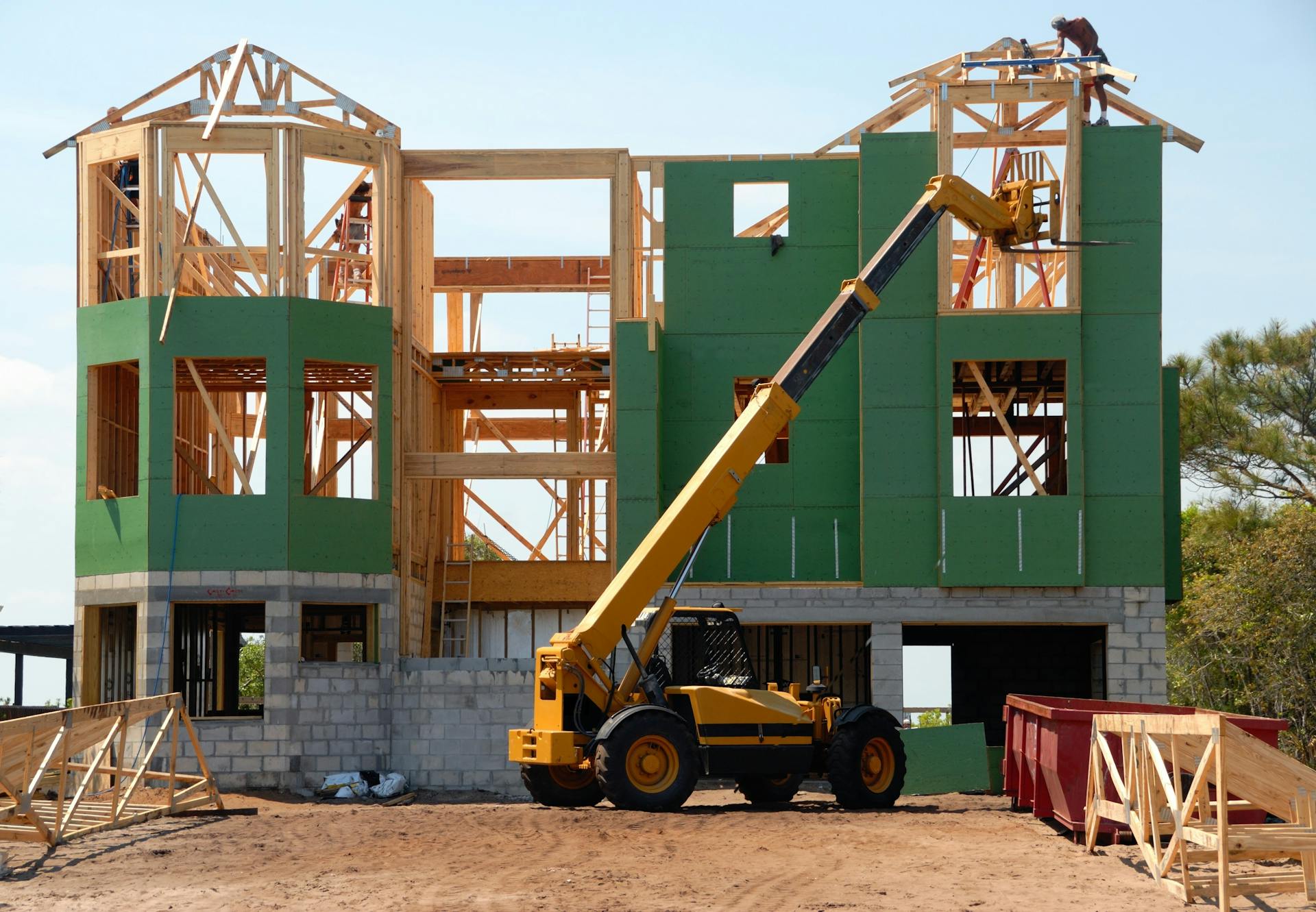
Timber has been used in construction for centuries. Its natural beauty and durability make it a favorite for builders and homeowners alike. Modern construction techniques have elevated timber’s potential. Today, it is not just a traditional material but a versatile option for sustainable, efficient, and aesthetically pleasing homes. Its use combines old-world charm with new-world engineering. For more information, visit regionalimmobilien24.de.
Cross-Laminated Timber (CLT)
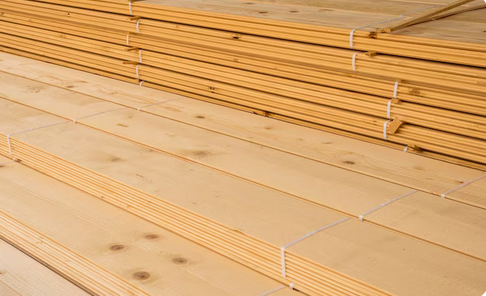
One of the most revolutionary developments in timber construction is cross-laminated timber, or CLT. This creates a strong, stable, and rigid panel that can be used for walls, floors, and roofs. CLT allows for quicker construction, reduces the need for heavy machinery, and ensures precise dimensions. It is a unique solution that brings speed and structural integrity to residential buildings.
Timber Frame Construction
Timber framing remains a popular method for residential homes. In this technique, a skeleton of heavy timber beams forms the structure. Modern tools and joinery techniques make assembly faster and more accurate. Timber frames can be combined with insulation, cladding, and interior finishes to create energy-efficient homes. This approach balances tradition and innovation, giving homeowners sturdy and long-lasting structures.
Advanced Joinery Techniques
Modern joinery has made timber construction more versatile than ever. Innovations such as concealed connectors, metal brackets, and precision-cut joints allow for stronger connections and seamless aesthetics. These techniques ensure that timber structures can withstand environmental stress and provide long-term durability. They also open the door to creative architectural designs that were difficult to achieve with traditional joinery.
Prefabrication and Modular Timber Panels
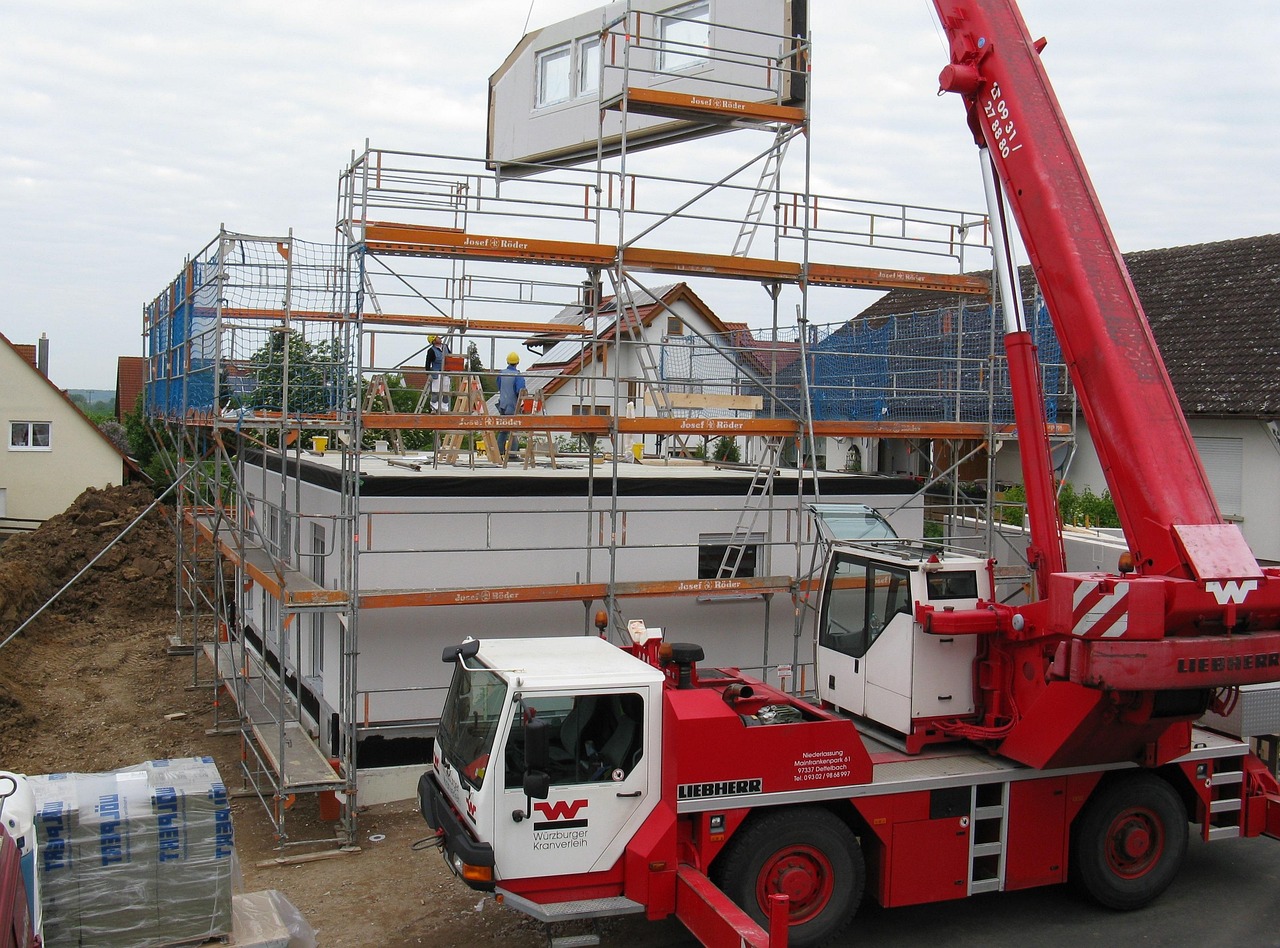
Prefabrication is transforming timber construction. Panels and modules are built off-site in controlled environments. They arrive ready to assemble on location, reducing construction time and minimizing waste. Prefabrication ensures uniform quality and fewer errors during building. For residential projects, this method is especially beneficial in urban areas or challenging sites where space and time are limited.
Sustainability and Environmental Benefits
Timber is renewable and stores carbon, making it an environmentally friendly choice. Using sustainably sourced wood reduces the carbon footprint of residential construction. Techniques like CLT and prefabrication further minimize waste and energy consumption. Modern timber homes combine efficiency and sustainability, ensuring that new constructions meet both environmental and regulatory standards.
Design Flexibility and Aesthetic Appeal
Timber offers unique opportunities for creativity. Its warm texture and natural grain provide a distinctive aesthetic that is difficult to replicate with other materials. Architects can design open-plan interiors, cantilevered structures, and complex rooflines with modern timber techniques. Residential homes built with timber are not only strong and sustainable but visually striking, offering homeowners a combination of style and practicality.
Fire Safety and Durability

Concerns about timber and fire safety are common, but modern techniques address these issues effectively. Treatments, coatings, and engineered timber products enhance fire resistance. CLT panels, for example, char on the surface in a controlled way, protecting inner layers and maintaining structural integrity. Modern timber construction ensures that safety is not compromised while maintaining design flexibility.
The future of residential timber construction looks promising. Innovations like robotic assembly, hybrid timber-steel structures, and digital modeling tools are pushing the boundaries of what is possible. Builders are constantly finding new ways to combine speed, efficiency, and environmental responsibility. Timber continues to evolve from a traditional material into a high-tech solution for modern homes.…
Read MoreTop Features Every Modern Family Home Should Have
Designing a modern family home means creating a space that blends comfort, practicality, and adaptability. Today’s families need homes that support busy lifestyles while offering room to relax, grow, and connect. From open-concept living areas to energy-efficient appliances and multi-use spaces, the right features can make everyday life smoother and more enjoyable. Choosing these elements wisely often ties back to best places to raise a family: what really matters, since location, safety, and community all influence how a home functions. With the right features in place, your home becomes more than a structure—it becomes a foundation for family life.
Open and Flexible Floor Plans
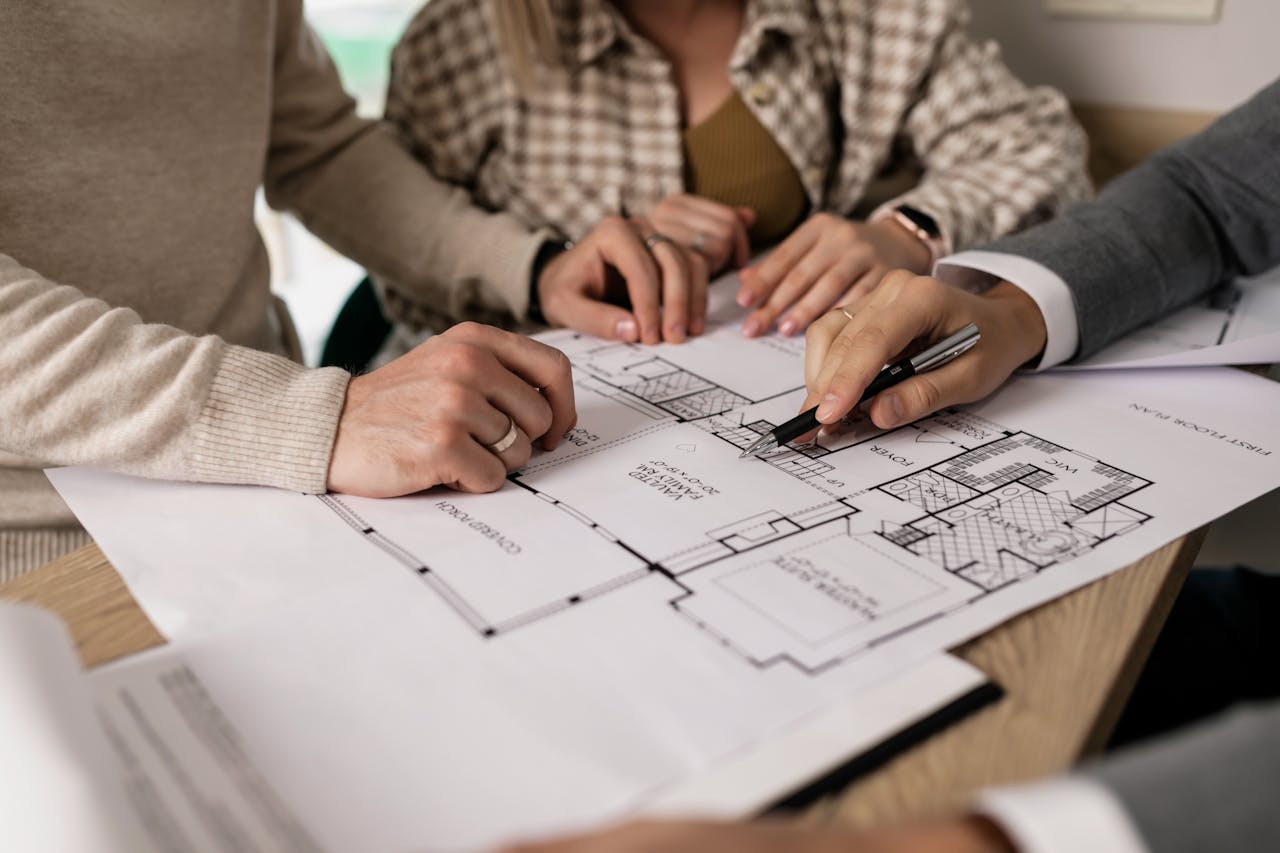 A modern family home thrives on flexibility. Open-concept layouts that combine the kitchen, dining, and living areas promote togetherness, easier supervision of children, and more fluid entertaining. In addition, flex spaces—rooms that can serve multiple purposes like a home office, study area, or guest room—allow the home to grow and adapt with your family over time. These open yet functional spaces move into the house more intuitively and encourage quality time together.
Functional Kitchen with Ample Storage
The kitchen remains the heart of any family home, and in a modern setting, it needs to be both stylish and smart. Features such as large islands, deep drawers, walk-in pantries, and energy-efficient appliances are now essentials. Smart kitchen gadgets and built-in charging stations make the space even more practical. A well-designed kitchen makes cooking, dining, and cleaning up more efficient for busy family routines while still being the natural gathering spot in the home.
Energy-Efficient Systems and Smart Technology
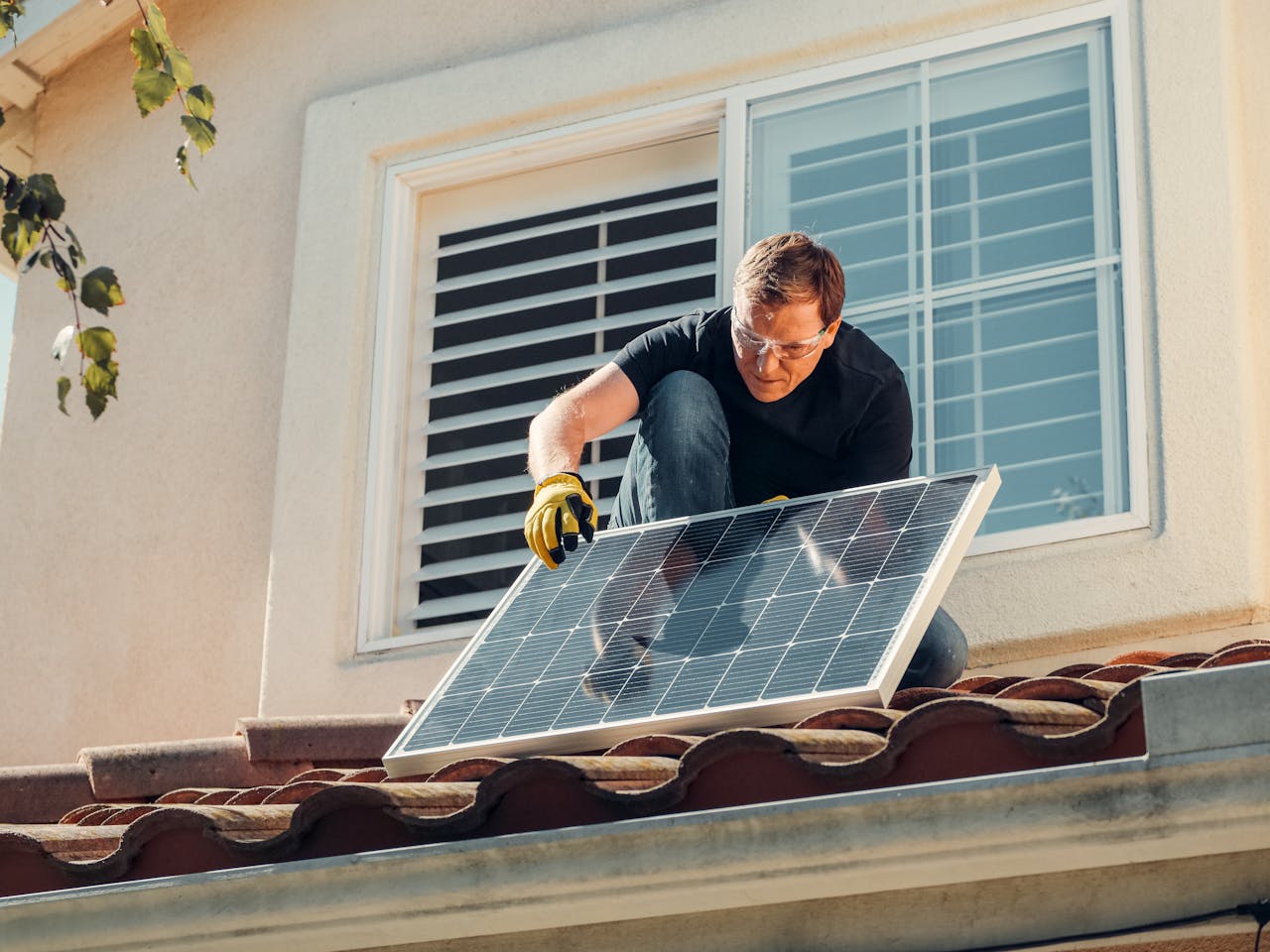
Eco-friendly homes are not only better for the environment—they’re also more cost-effective in the long run. Modern family homes now include solar panels, energy-efficient windows, programmable thermostats, and water-saving fixtures. Smart home systems that control lighting, temperature, and security from a phone or tablet offer convenience and peace of mind. These upgrades make managing a household easier while reducing utility costs and boosting resale value.
Dedicated Storage Solutions
Clutter can quickly overwhelm a household, especially one with children. That’s why modern family homes prioritize smart storage in every room. Mudrooms with built-in benches and cubbies, closets with adjustable shelving, under-stair storage, and garage organization systems all help keep things tidy and accessible. Thoughtful storage keeps everyday items in reach while helping maintain a clean and open feel throughout the home.
Safe and Inviting Outdoor Living Space
 A backyard that serves as an extension of your indoor living area is a valuable asset. Families benefit from fenced-in yards, patios, and shaded areas for play and relaxation. Adding low-maintenance landscaping, outdoor dining areas, and durable furniture creates a space that’s ideal for kids, pets, and parents alike. A safe, well-designed outdoor space supports both recreation and relaxation, encouraging healthier, more active lifestyles.
Private Spaces for Every Family Member
While togetherness is important, so is privacy. Modern family homes should offer private areas where each person can unwind. Comfortably sized bedrooms, bathrooms that are easily accessible, and quiet corners for reading or working help every family member recharge. Master suites with en-suite bathrooms and kids’ rooms with space for studying or hobbies strike a balance between shared and personal time.
The modern family home is no longer just about square footage—it’s about thoughtful features that support a busy, diverse lifestyle. From …
Read MoreDon’t Ignore These! Signs You Need to Remove a Tree
Trees are a beautiful addition to any landscape. They provide shade, improve air quality, and enhance the overall aesthetic of your property. However, not all trees are healthy or safe. Sometimes they can become more of a hazard than a benefit.
Practicing safe and smart tree removal tips is crucial for maintaining and preserving your outdoor space. Have you ever looked at a tree in your yard and wondered if it’s time to say goodbye? Ignoring warning signs can lead to dangerous situations down the road. In this post, we’ll explore some key indicators that suggest you may need to take action before it’s too late.
Visible Rot or Hollow Trunk
One of the most telling signs that a tree needs to go is visible rot or a hollow trunk. When you examine a tree closely, look for soft spots or areas where the bark is peeling away. Rotting wood weakens its structure. A hollow trunk means it’s lost much of its integrity and can easily topple over during storms. This poses a serious risk to your home, vehicles, and passersby. Check for any mushrooms or fungi growing at the base as well. These often indicate decay inside the trunk, which could compromise stability even further. If you notice these issues, it’s essential to act quickly. Ignoring them may lead to unfortunate accidents down the line!
Cracks in Major Branches

Cracks in major branches can signal serious trouble for a tree. When you spot these fissures, it’s time to investigate further. While trees may develop some imperfections over time, significant cracks often indicate underlying structural issues. These fractures can weaken the overall integrity of the branch. If left unchecked, they might lead to breakage during storms or high winds. This not only puts your tree at risk but also endangers anything beneath it. Inspecting cracked branches closely is essential. Look for signs of decay or insect infestations that could be exacerbating the problem.
Sometimes, pruning affected areas can help manage the damage and maintain tree health. If a branch appears extensively cracked and compromised, removal might be necessary to protect both your landscape and nearby structures from potential harm. Prioritizing safety is key when assessing any damaged vegetation on your property.
Fungus Growth at Base
Fungus at the base of a tree can be a red flag. It often indicates decay or rot lurking beneath the surface. Fungi thrive in damp, decaying wood, and their presence suggests your tree may not be healthy. Take notice if you spot mushrooms or other fungal growth around the trunk. This is nature’s way of telling you something’s amiss. Trees can be beautiful additions to any landscape, providing shade and enhancing the aesthetic appeal of your property. However, it’s essential to recognize when a tree poses a danger or has become unhealthy. Regular inspections can prevent accidents and save you from costly damage down the road.
Leaning More Than 15 Degrees

A tree’s lean can often indicate its health and stability. If you notice a tree leaning more than 15 degrees, it’s time to pay attention. Trees can shift their center of gravity due to various factors like soil erosion or root damage. This tilt may seem harmless at first, but it could lead to serious issues down the line. Lean is …
Read MoreEco-Friendly Elegance: How to Incorporate Solar Pond Fountains in Your Outdoor Design
Welcome to a world where nature meets sophistication! Imagine stepping into your outdoor oasis, greeted by the gentle sound of trickling water and the mesmerizing dance of sunlight reflecting off shimmering pond fountains. In today’s eco-conscious era, we invite you to elevate your garden or backyard with solar pond fountains—stunning features that not only enhance your landscape but also champion sustainability. Join us as we explore how these beautiful additions can transform any outdoor space into an exquisite sanctuary while minimizing your environmental footprint.
Embrace the Power of the Sun
One of the biggest benefits of solar pond fountains is that they run on solar energy, which means you don’t need to tap into your electricity supply to power them. By using the natural power of the sun, these fountains eliminate energy costs and reduce your carbon footprint. This makes them a perfect choice for homeowners who are looking to make their outdoor spaces more sustainable.
Incorporating solar-powered features, like a pond fountain, is an easy way to make your entire landscape greener. Not only do you save on energy bills, but you’re also contributing to a cleaner environment by using renewable energy sources. Plus, solar fountains are incredibly low-maintenance compared to traditional electrical fountains, so you can enjoy the beauty of flowing water without the hassle.
Ensure Minimal Environmental Impact
When designing a green outdoor space, it’s important to keep sustainability in mind. Solar pond fountains are a great way to enhance your landscape while ensuring minimal environmental impact. Unlike traditional fountains that may rely on electricity and harsh chemicals to keep the water clean, solar-powered fountains operate without electricity and use natural filtration, which means less energy consumption and fewer chemicals needed for maintenance. Many solar pond fountains also use recyclable materials, making them even more eco-friendly. When choosing a solar fountain for your garden, look for options made from durable, sustainable materials that won’t harm the environment.
Create a Tranquil, Eco-Friendly Oasis

A solar pond fountain can transform your garden or yard into a tranquil retreat. The sound of running water is soothing and perfect for creating a peaceful atmosphere in your outdoor space. Whether you’re spending time in your garden alone or hosting guests, the gentle hum of the fountain can help you relax and unwind.
In addition to their calming sounds, solar fountains add visual appeal to your landscape. The sparkling water creates a dynamic focal point, and you can enhance the beauty by surrounding the fountain with lush plants and flowers. Opt for native plants around your pond or fountain that require less water and upkeep—this will help keep your landscape sustainable and water-efficient while adding vibrant color and texture.
Follow Effective Placement and Design Tips
Now that you’ve decided to add a solar pond fountain to your green outdoor space, it’s time to think about placement and design. First, choose an area with plenty of sunlight so that the solar panels can absorb energy throughout the day. Ideally, your fountain should be placed in a spot where it can be seen and heard, such as near a seating area or close to a garden path. To make the fountain a central feature of your outdoor space, consider surrounding it with plants, rocks, and even small sculptures that reflect your style. If you have …
Read MoreThe Key Reasons Homebuyers Opt for Condominiums
The search for a new home can often feel overwhelming. With so many options available, getting lost in the maze of choices is easy. Among these, condominiums have emerged as a preferred choice for many homebuyers. But what makes them so appealing? From minimal maintenance to vibrant communities, there are several key reasons why condos capture the hearts of modern buyers.
However, there are still numerous people who prefer homeowning, especially when they are near medical centers, schools, and 24-hour supermarkets. They prefer to be near these establishments to access their needs easily. Some medical centers are happily supported by their local roofing company. Let’s delve into the enticing world of condominium living and explore what draws people towards this unique lifestyle.
Maintenance and Upkeep
One of the biggest draws of condominium living is the minimal maintenance required. Homeowners often juggle countless chores, from lawn care to roof repairs. In contrast, condo associations manage these tasks. Residents can enjoy their free time without worrying about upkeep. Whether it’s shoveling snow or mowing grass, these responsibilities typically fall on professional teams hired by the association. This convenience appeals especially to busy professionals and retirees who prefer leisure over labor. The allure of a hassle-free lifestyle means more weekends spent exploring local attractions or simply relaxing at home.

Amenities and Facilities
One of the standout features that attract homebuyers to condominiums is their impressive amenities and facilities. Many complexes offer pools, fitness centers, and rooftop lounges. These spaces foster community living while providing luxury right at your doorstep. Imagine unwinding by a beautifully landscaped pool after a long day or catching up with neighbors in a shared BBQ area on weekends. For those focused on wellness, having an onsite gym eliminates the need for costly memberships elsewhere. Moreover, residents often benefit from communal spaces like co-working areas or game rooms that cater to diverse interests. These facilities not only enhance daily life but also create opportunities for social interaction among residents.
Enhanced Security
When it comes to safety, condominiums often shine. Many offer features that elevate security to another level. Gated entrances and controlled access points serve as the first line of defense. Surveillance cameras are a common sight in condo complexes. They monitor common areas around the clock, providing peace of mind for residents. Knowing that there’s an eye on things can ease worries about theft or vandalism. Additionally, many buildings have on-site security personnel who patrol regularly.
Flexible Living Options
Flexible living options make condominiums an attractive choice for many homebuyers. The diverse range of layouts caters to various lifestyles and preferences. Whether you’re a young professional seeking a cozy studio or a family needing multiple bedrooms, there’s likely a condo that fits your needs. Many developments offer different configurations that allow residents to choose how much space they require while keeping costs manageable. This adaptability is especially appealing in urban areas with steep real estate prices. Moreover, renting out units can provide additional income streams for owners. For those who travel frequently or work remotely, having the option to lease their space adds convenience and financial flexibility.
The appeal of condominiums continues to rise among homebuyers. Their lower maintenance demands make them attractive for those with busy lifestyles, and access to shared amenities adds an extra layer of …
Read MoreThe Future of Green Homes: Harnessing AI for Sustainable Living
Welcome to the future of green living. In a world where technology is constantly evolving, we are now seeing the integration of artificial intelligence into our homes to create sustainable and eco-friendly living spaces. From energy-efficient appliances to smart home systems that optimize heating and cooling, AI is revolutionizing the way we live while reducing our carbon footprint. Join us as we explore how harnessing AI can lead us toward a greener future for all.
AI-Powered Thermostats
One of the most effective ways to reduce energy consumption at home is through AI-powered thermostats. These smart devices learn your daily routines and preferences, adjusting the temperature accordingly to ensure optimal comfort while minimizing energy use. By analyzing factors such as occupancy, weather patterns, and historical data, AI-driven thermostats can reduce heating and cooling costs by up to 10-15%, contributing to a lower carbon footprint. The MZ newspaper details more on ways to design your home with AI-powered thermostats and other smart devices to save on energy.

Energy Monitoring System
AI-based energy monitoring systems provide real-time insights into your household’s energy usage. These systems track the consumption patterns of individual appliances, allowing you to identify energy hogs and make informed decisions about usage. By receiving alerts and suggestions on optimizing energy consumption, homeowners can take proactive steps to reduce waste and enhance efficiency, paving the way for a more sustainable lifestyle.
AI-Integrated Lighting Systems
Lighting accounts for a significant portion of household energy use. AI-integrated lighting systems, such as smart bulbs and automated controls, adapt to your habits and environmental conditions to optimize lighting usage. These systems can automatically adjust brightness, color, and timing based on occupancy and natural light levels, ensuring that lights are used only when necessary. This not only conserves energy but also extends the lifespan of lighting fixtures.
Water Management
Water conservation is another critical aspect of eco-friendly living. AI-powered irrigation systems and smart faucets monitor water usage and adjust flow rates based on weather forecasts, soil moisture levels, and usage patterns. These systems help prevent overwatering and reduce water waste, contributing to more sustainable water management practices at home.
AI-Enhanced Recycling
Effective waste management is crucial for reducing our environmental impact. AI-enhanced recycling systems utilize image recognition and machine learning algorithms to sort waste accurately and efficiently. These systems can identify recyclable materials, hazardous waste, and organic matter, ensuring proper disposal and reducing contamination in recycling streams. By improving the accuracy of waste sorting, AI technology helps divert more waste from landfills, promoting a circular economy
Smart Appliances
Food waste is a significant contributor to household waste. AI-powered smart refrigerators and pantry management systems track food inventory, expiration dates, and usage patterns. These systems provide reminders for using perishable items and suggest recipes based on available ingredients, helping to minimize food spoilage and waste. By promoting mindful consumption, AI-driven solutions support sustainable food practices and reduce the environmental burden of food waste.
The integration of AI into our homes offers a promising pathway to achieving eco-friendly living. From optimizing energy consumption and enhancing efficiency to promoting sustainable waste management, AI technology empowers homeowners to make environmentally conscious decisions. As we embrace these innovations, we move closer to creating homes that are not only smarter but also kinder to our planet. By leveraging AI for sustainable living, we …
Read More
ESG and Real Estate: Understanding the Three Pillars of Sustainable Development
In recent years, the concept of Environmental, Social, and Governance (ESG) has gained significant traction in various industries, including real estate. ESG serves as a framework for evaluating the sustainability and ethical impact of an organization’s practices. The real estate sector plays a crucial role in this context due to its substantial influence on land use, resource consumption, and the well-being of communities. In this article, we will delve into the three pillars of sustainable development – Environmental, Social, and Governance – and explore their significance within the realm of real estate. For additional insights and local business listings, you can also explore resources at gelbeseiten.de website.
Environmental Dimension
The environmental pillar of ESG emphasizes the need for sustainable land use and resource management. Real estate developers and property managers are embracing eco-friendly practices to minimize their ecological footprint. This includes designing energy-efficient buildings that reduce greenhouse gas emissions, incorporating renewable energy systems like solar or geothermal, and implementing water conservation measures such as rainwater harvesting and efficient irrigation systems. Moreover, sustainable construction materials and waste management techniques contribute to reducing the environmental impact of real estate projects.
Social Dimension

The social pillar of ESG highlights the impact of real estate development on the well-being and inclusivity of communities. Developers are increasingly focusing on creating buildings and neighborhoods that foster social cohesion, accessibility, and affordability. Implementing universal design principles ensures that buildings are accessible to people with disabilities, thereby promoting inclusivity. Embracing green spaces and recreational areas contributes to enhancing the quality of life for residents. Additionally, affordable housing initiatives address the growing need for adequate and affordable shelter, ensuring that communities thrive. By prioritizing the social dimension of sustainable development, real estate companies play an essential role in nurturing vibrant and equitable communities.
Governance Dimension
The governance pillar of ESG emphasizes the importance of ethical and transparent practices within the real estate sector. Strong governance structures promote accountability, fair practices, and responsible decision-making. Companies that prioritize good corporate governance establish policies and guidelines for sustainable development, monitor compliance, and engage in stakeholder consultations. Furthermore, promoting diversity and gender equality in leadership positions fosters innovation and a broader range of perspectives. By upholding strong governance principles, real estate companies contribute to building trust and resilience in the industry.
By embracing eco-friendly construction practices, reducing greenhouse gas emissions, and implementing resource-efficient strategies, the industry promotes environmental stewardship. Similarly, by focusing on inclusivity, affordability, and community well-being, real estate companies contribute to creating vibrant and equitable neighborhoods. Finally, by establishing strong governance structures, ensuring transparency, and promoting ethical decision-making, the sector builds trust and resilience.…
Read More
The Ultimate Guide to Selling Your House
Welcome to the ultimate guide on selling your house. Whether you’re a first-time seller or a seasoned pro, this article will provide you with tips and tricks to help maximize your profit. Selling a house can be an overwhelming process, but fear not – we’ve got you covered. From setting the right price to showcasing your home’s unique selling points, staging techniques that wow buyers, and professional photography that captures the essence of your property, we’ll walk you through each step of the journey. If you are planning to invest after selling your house, you must learn tips from flippa.com. So sit back, relax, and get ready for some valuable insights on how to sell your house like a pro.
Set the Right Price
Setting the right price for your house is crucial when it comes to attracting potential buyers. Pricing too high may deter interested parties, while pricing too low could mean missing out on maximizing your profit. So, how do you strike the perfect balance? Research comparable properties in your area that have recently sold. Look at their size, condition, and location to get a sense of what buyers are willing to pay. This will give you a baseline for determining an appropriate price range. Next, consider working with a real estate agent who has expertise in your local market.

Stage Your Home
When it comes to selling your house, staging can make all the difference. A beautifully staged home has the power to captivate potential buyers and leave a lasting impression. So, how do you go about staging your home for maximum impact? Decluttering is key. Clearing out excess furniture and personal items will create a sense of space and allow buyers to envision themselves in the property. Consider renting a storage unit if necessary. Next, focus on creating inviting spaces throughout your home.
Highlight Unique Selling Points
When it comes to selling your house, you want to make sure potential buyers see the value and uniqueness of your property. One way to do this is by highlighting its unique selling points. These are the features or characteristics that set your home apart from others on the market. Start by taking a step back and objectively looking at your home. What stands out? Is it the stunning backyard with a built-in barbecue area? Or maybe it’s the newly renovated kitchen with top-of-the-line appliances. Whatever it may be, make sure these standout features are front and center in your marketing materials.

Professional Photography
One of the most important aspects of selling your house is capturing its beauty through professional photography. In today’s digital age, potential buyers often browse online listings before deciding which homes to visit in person. That’s why it’s crucial to make a great first impression with eye-catching photos. A professional photographer knows how to highlight the best features of your home and create images that evoke an emotional response from viewers. They have the skills and equipment necessary to capture stunning shots that do justice to your property. Through high-quality photographs, you can showcase the unique characteristics of your house, such as beautiful architecture, spacious rooms, or breathtaking views.
Successfully selling your house requires careful planning, strategy, and attention to detail. By following these tips – setting the right price, highlighting unique selling points, …
Read More
Understanding Why First-Time Real Estate Investors Lose Money
Real estate investment offers the potential for lucrative returns and long-term financial security. However, it is no secret that first-time real estate investors often find themselves facing unexpected challenges and confusion, especially when browsing through sites like https://www.bauemotion.de/magazin/fertig-oder-massivhaus-was-ist-die-bessere-traumhaus-wahl/22245580/ seeking a home. Understanding the reasons behind these losses can help new investors avoid common pitfalls and set themselves on a path towards success. In this article, we will explore some key factors that contribute to why first-time real estate investors lose money.
Lack of Education and Research
One of the primary reasons first-time real estate investors lose money is a lack of proper education and research. Investing in real estate requires a solid understanding of the market, local trends, financing options, and legal regulations. Without adequate knowledge, investors may make decisions based on speculation or misinformation, leading to poor investment choices and financial losses.
Inadequate Financial Planning
Successful real estate investing requires careful financial planning. Many first-time investors fail to create a comprehensive budget that includes not only the purchase price but also closing costs, renovation expenses, property management fees, and ongoing maintenance costs. Underestimating these expenses can quickly lead to financial strain and losses.
Overestimating Potential Returns
New investors often fall into the trap of overestimating the potential returns on their real estate investments. They may base their expectations on unrealistic assumptions or unreliable data, leading to disappointment when the actual returns fall short. It is essential to analyze market trends, rental demand, and comparable sales to have a realistic understanding of the investment’s income potential.
Poor Property Selection
The selection of the right property is crucial for successful real estate investing. First-time investors may be tempted to purchase properties solely based on their personal preferences rather than considering factors such as location, local rental demand, and potential for appreciation. Investing in properties that do not appeal to the target market or lack growth potential can result in low occupancy rates or stagnant property values.
Inadequate Property Management
Owning a rental property requires active management to ensure smooth operations and maximize returns. First-time investors may underestimate the time and effort needed to manage a property effectively. Hiring an experienced property manager or learning the necessary skills to handle tenant screening, rent collection, maintenance, and property marketing is essential. Neglecting these responsibilities can lead to tenant issues, increased vacancies, and financial losses.
Failure to Account for Market Fluctuations
The real estate market is subject to fluctuations, which can impact property values and rental demand. First-time investors often fail to account for these market dynamics and may get caught in unfavorable conditions. It is vital to stay updated on economic indicators, local market trends, and overall housing market forecasts to make informed investment decisions and mitigate potential losses.
Conclusion
First-time real estate investors can minimize the risk of financial losses by understanding the common reasons behind them. By acquiring proper education, conducting thorough research, creating comprehensive financial plans, selecting properties strategically, managing properties effectively, and being aware of market fluctuations, new investors can set themselves on a path toward success and avoid the pitfalls that trip up many others. With careful planning and a long-term approach, real estate investment can provide lucrative opportunities for wealth creation and financial stability.…
Read More
Coverage Features Homeowners Should Buy to Stay Safe Amid High Inflation and Increased Building Costs
As prices for materials and labor continue to rise, it’s essential for homeowners to ensure they have adequate protection in place. This will keep you afloat amid the chaos of many homeowners being underinsured. Check out more about it at https://www.chubb.com/nordic-en/businesses/resources/property-underinsurance-how-does-it-affect-you.html.
But in this post, we’ll be discussing key coverage options that can provide peace of mind in these uncertain times. From replacement cost coverage to extended replacement cost coverage, let’s dive into the details and discover how you can safeguard your investment.
Replacement Cost Coverage

What exactly does this coverage entail? Well, unlike actual cash value (ACV) coverage that takes depreciation into account, replacement cost coverage ensures that you’ll be reimbursed for the full cost of replacing damaged or destroyed items. Having replacement cost coverage not only provides financial protection but also allows you to maintain the same standard of living after an unfortunate event.
This also means that if a fire were to ravage your kitchen and destroy your appliances, with replacement cost coverage, you’d receive the funds needed to replace those appliances with brand-new ones of similar quality. It’s important to note that without this coverage, you may only receive a fraction of the original purchase price based on depreciation.
Automatic Inflation Guard
With inflation on the rise, it’s more important than ever to protect your home and its contents from being undervalued by insurance policies that don’t account for increasing prices. This coverage feature automatically adjusts the replacement cost value of your home and belongings to keep up with inflation.
So, if there’s a sudden spike in construction or material costs, you won’t be left underinsured and struggling to rebuild or replace what was lost. By opting for this coverage, you can ensure that your policy keeps pace with economic changes over time. This means you won’t have to worry about paying out-of-pocket expenses for repairs or replacements due to inflated prices.
Building Code Coverage

One often overlooked aspect of homeowners insurance is building code coverage. This additional feature can provide valuable protection in the event that your home needs to be rebuilt or repaired due to changes in local building codes. Building codes are constantly evolving, and new regulations may require updates or modifications to older homes.
Without building code coverage, you could be left shouldering the cost of these required upgrades on your own. However, with this coverage, you can rest easy knowing that your policy will help cover the expense of bringing your home up to current standards. Whether it’s installing a fire sprinkler system or reinforcing structural elements, this type of coverage can provide invaluable financial support during an already stressful time.
Extended Replacement Cost Coverage
Last but not least, this coverage goes above and beyond standard replacement cost coverage by providing additional funds to rebuild or repair your home, even if the cost exceeds your policy limits. In today’s uncertain times of high inflation and increased building costs, having extended replacement cost coverage can provide much-needed peace of mind.
With this coverage in place, you won’t have to worry about being underinsured and facing out-of-pocket expenses that could be financially devastating. In fact, it also takes into account any increases in construction costs due to inflation or other factors. So if the price of building materials or labor rises significantly …
Read More
Characteristics of Sustainable Architectural Building Design
In a world where environmental concerns are at the forefront, it is essential for us to explore ways in which we can create buildings that not only meet our needs but also minimize their impact on the planet. Sustainable architectural designs at Immoportal offer a solution by incorporating green materials, passive strategies, renewable energy sources, and eco-friendly landscaping techniques. So if you’re ready to dive into the world of sustainable building design, let’s get started.
Green Building Materials

Green building materials are the foundation of sustainable architectural design. These materials are chosen for their minimal environmental impact, both during production and throughout their lifespan. One popular green building material is bamboo, known for its rapid growth and renewability. Bamboo can be used as a substitute for traditional hardwoods in flooring, furniture, and even structural elements. Natural insulation materials like cellulose made from recycled paper or wool sourced from sheep provide effective thermal performance without harmful chemicals found in conventional insulation products. Low VOC (volatile organic compounds) paints and finishes are another important aspect of green building materials.
Passive Sustainable Design
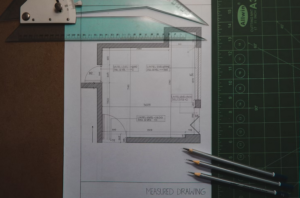 What is it exactly? This key design focuses on utilizing natural resources and the building’s surroundings to minimize energy consumption. There are several elements of passive sustainable design, including proper insulation, natural ventilation optimization, and maximum utilization of natural light. Additionally, passive solar design plays a crucial role in reducing energy consumption by utilizing solar heat gain during winter months while minimizing it during summer months. Strategies may include orienting windows towards the sun’s path, implementing shading devices like overhangs or awnings, and using thermal mass materials to store excess heat.
Renewable Energy
In this architectural design, renewable energy not only reduces the carbon footprint but also helps create a more self-sufficient and resilient built environment. Here are some key aspects of incorporating renewable energy into architectural designs. One important aspect is the use of solar panels to harness what the sun offers to humanity. This clean and abundant source of energy can also be stored for later use, providing backup power during periods of high demand or power outages. Another form of renewable energy that can be harnessed is wind power. Wind turbines are especially effective in areas with constant winds, such as coastal regions or open landscapes.
Eco-Friendly Landscaping

The landscaping can also be optimized for sustainable architectural design. It not only enhances the aesthetic appeal of the property but also contributes to environmental conservation. By incorporating eco-friendly landscaping practices, architects can create outdoor spaces that are in harmony with nature. One key element of eco-friendly landscaping is water conservation. Another important aspect is biodiversity preservation. Encouraging the use of native plants and creating habitats for local wildlife fosters a healthy ecosystem. Incorporating features like bird feeders or butterfly gardens can attract diverse species while promoting pollination.
Sustainable architectural building design encompasses a range of strategies aimed at minimizing environmental impact without compromising functionality or aesthetics. By embracing these characteristics of sustainability in their designs, architects play a crucial role in creating resilient communities for future generations. Together with clients who prioritize sustainability goals from conception to completion, we can build a greener tomorrow.…
Read More
Sustainable Ideas to Upgrade Your Landscape This Year
Are you seeking a way to spruce up your outdoor space this year while also making a positive impact on the environment? This combo is possible, and this post will certainly provide you with what you’re looking for. According to news.de, sustainable landscaping is one of the keys to eco-friendly living. From incorporating native plants and creating wildlife habitats to setting up rain harvesting stations and composting areas, these eco-friendly upgrades will transform your landscape into a haven for biodiversity.
Native Plants

Native plants are a fantastic addition to any landscape. These are plants that naturally occur in your region, making them perfectly adapted to the local climate, soil conditions, and wildlife. By incorporating native plants into your garden or yard, you can build a more sustainable and low-maintenance landscape. The best thing about native plants is their ability to thrive without excessive watering or chemical fertilizers.
Moreover, native plants provide crucial habitats for local wildlife, such as birds, bees, butterflies, and other beneficial insects. They offer food sources through nectar-rich flowers and berries while also creating shelter for nesting and resting. With their natural defenses intact, these plant varieties don’t require heavy pesticide applications like non-native species might.
Rain Harvesting Station
A rain harvesting station typically consists of a collection area, such as a rooftop or gutter system, where the rainwater is collected. This water is then directed into storage containers or tanks for later use. By utilizing this natural resource, you not only reduce your reliance on municipal water supplies but also help conserve water in times of drought.
Setting up a rain harvesting station doesn’t have to be complicated or expensive. You can start small with just a few barrels or invest in larger tanks depending on your needs and available space. There are even DIY kits available that provide step-by-step instructions for installation. Not only does a rain harvesting station benefit the environment, but it can also save you money in the long run by reducing your water bill.
Wildlife Garden

By making use of native plants and creating various habitats, you can attract birds, butterflies, bees, and other beneficial insects. Incorporate different layers in your garden to accommodate various species. Plant tall trees or install birdhouses for nesting birds. Add low-growing shrubs or rock piles as hiding places for small mammals or reptiles.
It’s also best to create a water feature like a small pond or birdbath to attract frogs, dragonflies, and other aquatic creatures. Just be sure to avoid using harmful pesticides or herbicides in your garden, as they can harm the animals you’re trying to attract. Instead, focus on organic gardening methods such as companion planting and natural pest control techniques.
Compost Station
Not only does it help reduce waste and diminish your carbon footprint, but it also provides nutrient-rich soil for your plants. Once you’ve found a suitable spot in your yard, gather organic waste such as fruit and vegetable scraps, coffee grounds, eggshells, and yard clippings. Layer these materials with dry leaves or shredded newspaper to create the right balance of green (nitrogen-rich) and brown (carbon-rich) components. Remember to turn the compost regularly using a pitchfork or shovel to aerate it and speed up decomposition. This will ensure that everything breaks down evenly. In time, you’ll notice how everything transforms …
Read More
Ways to Save Money on Your Home Landscape Projects
We all love a beautiful outdoor space, but the landscaping cost can quickly add up. Luckily, there are many ways you can create an amazing garden without breaking the bank. From setting a realistic budget to utilizing local resources and reusing items from your home, we’ve got you covered with some fantastic tips for saving money while creating the perfect outdoors. However, if you need someone that can help you with your project, consider hiring the Auckland landscape architects. They are known for their great works.
Set a Realistic Budget
Before getting started on your home landscape project, it’s important to set a realistic budget. The first step is to figure out how much you can afford to spend. Remember that landscaping costs can vary widely depending on the size of your yard and the project’s scope. It’s also essential to prioritize the elements most important for your outdoor space. A beautiful patio or garden may be at the top of your list, but don’t forget about practical needs like irrigation systems or lighting. To save money, consider breaking up larger projects into smaller ones that you can tackle over time. This will allow you to spread out costs and avoid overspending all at once.
Consider Doing DIY Projects

If you want to save money on your home landscape projects, consider doing some of the work yourself. DIY projects can be a great way to add personal flair to your landscaping while also keeping costs down. One easy project that you can do yourself is planting flowers or vegetables. This not only adds beauty to your yard but can also provide fresh produce for your family. Additionally, creating a compost bin out of recycled materials is an eco-friendly and budget-friendly way to fertilize your plants. Another DIY option is building raised garden beds using reclaimed wood or other materials. This allows you to control the soil quality and drainage while also adding height and structure to your landscaping design.
Reuse Unneeded Items from Your Home
The best way to save money on your home landscape projects is by reusing unneeded items from your home. You might be surprised at how many things you currently have lying around that can be repurposed for outdoor use. For example, old tires can be turned into planters or swings with a little creativity. Wooden pallets can also be transformed into garden beds, benches, or tables. Rather than throwing away broken ceramic pots and dishes, consider using them as decorative elements in your yard. If you have any leftover bricks or pavers from previous DIY projects, these too can come in handy when doing landscaping work. They can be used to create walkways, borders, or even raised garden beds.
Utilize Local Resources
 When it comes to home landscaping projects, utilizing local resources can save you a lot of money. Many cities and towns offer free or low-cost resources for their residents to use when working on their outdoor spaces. One great resource is the local agricultural extension office. These offices provide information about soil testing, plant selection, and pest management specific to your area’s climate and conditions. They may also have classes or workshops on various landscaping topics that are often free or very affordable. Another valuable resource is community gardens. These gardens provide …

How the Work From Home Setup Saves You Money
Working from home is becoming more and more popular these days. And for a good reason – there are a lot of benefits to working from home! Not only can you save money on transportation costs, but you can also save on childcare costs, eating out, and more. This blog post will discuss how working from home can help you save money. In addition, you can review pros&cons of remote work to learn why people are now less eager to go back to the office and would instead prefer to work at home.
It Eliminates the Need for Child Care
One of the most significant expenses for many families is child care. If you can work from home, you can eliminate this cost. This can considerably save families, especially those with multiple children. Not only will you save money on childcare costs, but you will also save on transportation costs and time spent commuting. In addition, it will give you more time to spend with your children, which can be priceless.
It Helps Save on Eating Out
Another way working from home can help you save money is by eliminating the need to eat out. When working at an office, it’s easy to grab lunch or dinner on the go. But when you’re working from home, you can take the time to cook a healthy meal. This can save you a lot of money over time, and it’s better for your health.

Working From Home Allows Tax Deductions
If you’re self-employed or have a home office, you may be able to take advantage of tax deductions. This can help you save a significant amount of money on your taxes. You can speak with professional to see if you qualify for home office deductions. Plus, many internet and phone companies offer discounts for people who work from home.
There’s No Need to Shop for New Office Outfits
 One of the best things about working from home is that you can wear comfortable clothes that you already have in your closet. You don’t have to spend money on a new wardrobe and can be comfortable all day long. This is a great way to save money and is also good for your mental health. In addition to being more comfortable, you’ll save time by not having to get dressed for work every day.
In conclusion, working from home can save you money in several ways. There are many ways to protect from eliminating childcare costs to taking advantage of tax deductions. If you’re looking for ways to reduce expenses, working from home may be your answer. Thanks for reading.…
Read More
Things to Know Before Renting a Storage Unit
If you are like most people, you have a lot of stuff. And if you are like most people, you don’t have enough room to store all of your stuff. When to get a storage unit? Most people rent storage units when they are moving, but there are other times when it makes sense to get a storage unit as well.
If you are renovating your home, for example, and need somewhere to store your furniture while the work is being done, a storage unit is a great option. But before you rent a storage unit, there are some things that you need to know. In this blog post, we will discuss what you need to consider before renting a storage unit. We will also provide tips for choosing the right storage unit for your needs.
Location
When looking for a storage unit, the first thing you need to consider is the location. You will want to choose a location that is convenient for you. If you live in a small town, there may only be one or two storage facilities. But if you live in a large city, there will be many storage facilities to choose from. You will want to choose a storage facility close to your home or office. This will make it easy to access your belongings when you need them.
Affordability
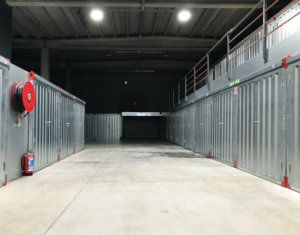 The price of a storage unit will vary depending on the unit’s size, location, and amenities. When considering affordability, be sure to compare the cost of the unit with the cost of renting a similar space elsewhere. Additionally, many storage units require a deposit or first and last month’s rent upfront. Be sure to factor this into your budget when considering affordability. Some storage units may offer discounts for long-term rentals or pay rent in advance.
Accessibility
 If you’re planning on accessing your belongings often, you’ll want to choose a unit close to home. However, if you’re only going to need to access your belongings occasionally, then a further away unit may be more cost-effective. Additionally, you’ll want to consider the hours of operation for the storage facility.
Safety and Security
 When you’re looking for a storage unit, it’s important to find one safe and secure. The last thing you want is for your belongings to be stolen or damaged. Make sure the facility has security cameras and alarm systems in place. You should also ask about the facility’s insurance policy in case of any accidents or damage to your belongings. Another important factor to consider is the location of the storage unit. You want to choose a facility located in a safe area, away from any potential hazards. If you live in an area prone to flooding or other natural disasters, you’ll want to make sure your belongings are stored in a unit that is not at risk of being damaged.
When you’re ready to rent a storage unit, keep these things in mind. By taking the time to find a safe and secure facility, you can rest assured that your belongings will be well-protected. Contact us today to learn more about our storage units and how we can help you keep your belongings safe and sound.…
Read More
Five Steps to Building a Treehouse for Children at Home
Do you have little ones who love spending time outdoors? If so, you may be considering building them a treehouse. Treehouses are a great way to provide children with a fun outdoor space that is all their own, and we can leverage information from tree removal St. Charles MO workshops that can guide you with five steps to help you build a treehouse for your kids. Let’s get started, my friends.
Pick a Tree
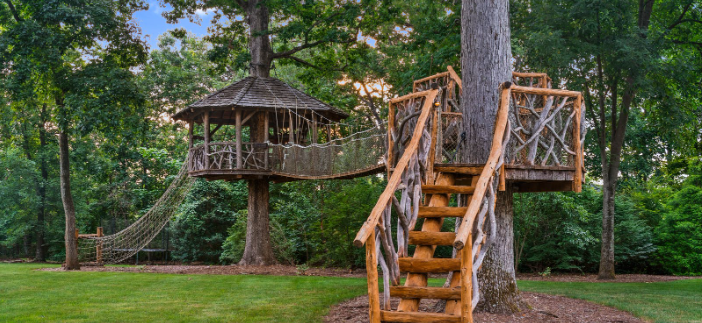 We’re sure you have one or two trees in the vicinity, but you need to carefully pick which tree to build your treehouse because not all trees are the same, and it’s dangerous to build your treehouse on top of a dead tree. You need to make sure that the tree is tall and has enough space for the treehouse, but also that it’s not too close to power lines or your house. If you are unsure, you can always get a professional opinion.
Create a Plan
After you’ve chosen the perfect tree, it’s time to start planning out your treehouse design with precision. This will help you avoid any mistakes during the construction process and will help you better visualize what the final product will look like. You’ll want to consider factors such as the size of the treehouse, where the windows and doors will be placed, and how you’ll get up to the treehouse.
Start Building
 Now that you have a plan in place, it’s time to start building the frame of your treehouse. You’ll want to use sturdy lumber for the frame to ensure that it can support the weight of the roof, walls, and flooring. Once the frame is complete, you can start adding in the walls and roof.
Test the Structural Integrity
Every chef will taste their food before serving it to ensure that it’s up to par, and you should do the same with your treehouse. Before adding any finishing touches, test the structural integrity of your treehouse by having someone stand inside while you shake the tree gently. If everything looks good, then you’re ready to move on. If it’s not, then consider adding loadbearing to help support the weight.
Add the Finishing Touches
 Now it’s time for the fun part: adding the finishing touches to your treehouse. This is where you can really let your imagination run wild and make the space your own. You can add paint, furniture, curtains, rugs, and anything else you can think of to make the space cosy and inviting.
Do you have a treehouse? Share your tips for building one in the comments below.…
Read More
Four Ways to Eliminate Health Hazards at Home
We all want to be safe and healthy, but sometimes it’s a challenge to start, especially regarding intrinsic aspects of our homes. There are so many potential health hazards lurking in our house that it can be tricky to know what actions we should take. But don’t worry, we’re here to help.
We’ll tell you important tips to eliminate health hazards from your home, such as facts about LEAD in drinking water, pests and insects’ behavior, etc. You can capitalize on it to create a safe and healthy space for you and your family. Let’s get started.
Check Your Water Quality
 The most important aspect of quality living has to be having pristine water to drink and cook with. Unfortunately, in the United States, there are still many areas where the water is not safe to consume. This is usually due to high levels of lead found in the water supply, which is why many people fell sick over the good course of the year. You can get your water tested through your local health department or by a private company.
If you find that your water contains harmful lead levels, there are ways to treat it. You can install a water filtration system or use bottled water as your primary source of drinking water.
Watch Out for Pests and Insects
Another common health hazard in the home is pests and insects. These creatures can carry all sorts of harmful bacteria and viruses that can make us sick. It’s essential to take steps to keep them out of our homes. One way to do this is to make sure our house is clean and free of clutter. This will make it difficult for pests and insects to find a place to live. You can also use pesticides and insecticides to kill any pests or insects that may be in your home.
Be Aware of Radon Levels
Radon is a radioactive gas that can be found in homes and buildings. It is the second leading cause of lung cancer after smoking. You can’t see, smell, or taste radon, but it can be very dangerous. The best way to protect yourself from radon is to test your home for it. You can get a test kit from your local hardware store or from the Environmental Protection Agency. If your home does have high levels of radon, there are ways to reduce it. You can install a radon mitigation system or use a charcoal filter.
Keep Your Home Clean
 A clean and organized home is key to preventing health hazards. It isn’t easy to clean and maintain when our house is cluttered. This makes it the perfect place for bacteria and viruses to grow. It’s vital to clean all of the surfaces in our home on a regular basis. We should also be sure to vacuum and mop our floors regularly. Keeping our homes clean can avoid allergens, bacteria, and health hazards.…

