
When to Call a Structural Engineer for Wall Cracks
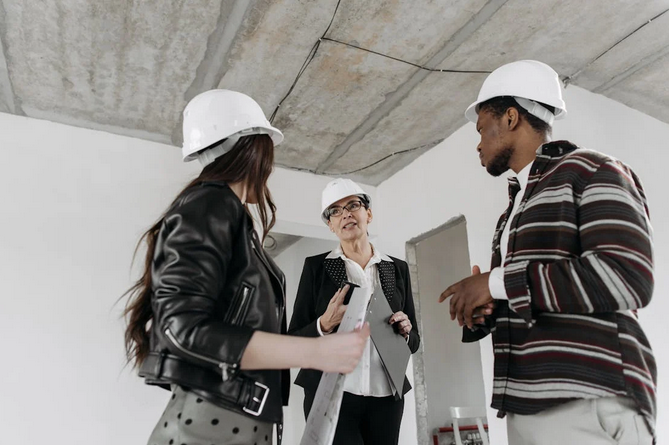
Cracks on walls are common, and most property owners notice them at some point. The challenge lies in knowing whether they’re harmless cosmetic blemishes or serious red flags requiring expert attention. While fine, hairline cracks may be tied to minor settling, others can signal major structural shifts compromising stability and safety. Overlooking the wrong type of crack can lead to escalating repair costs and decreased property value. Professional insight is vital in identifying problems early, according to www.homify.de. For that reason, this article explores the main signs that should prompt you to call a structural engineer before what seems small becomes a far more serious issue.
Cracks Wider Than a Quarter Inch
Size plays an important role in judging wall cracks. Narrow, hairline cracks are often harmless, but concern should rise once a crack grows wider than a quarter inch. Larger cracks usually indicate the building is shifting in ways beyond normal settlement. They may also widen over time, showing that the movement is still active. Engineers have the expertise to measure and monitor such cracks, identifying whether they stem from foundation movement or uneven soil conditions. Quick professional input ensures these warning signs don’t progress to severe structural damage. If you notice widening cracks, treating them as urgent is smart.
Horizontal Cracks Along Walls
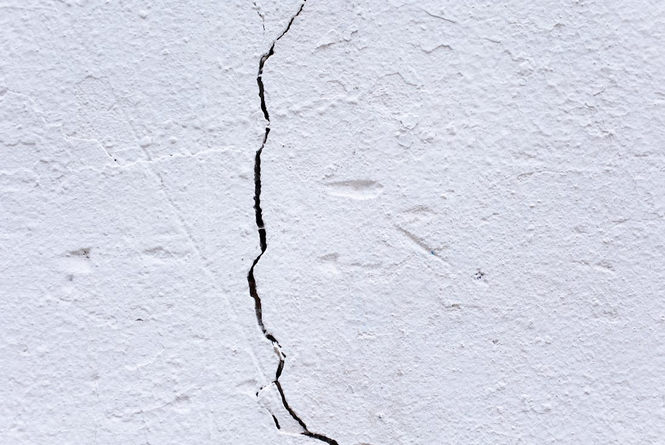
Horizontal cracks differ significantly from vertical ones. While vertical cracks often occur as a building settles, horizontal cracks frequently signal external pressure against the structure. For example, water-saturated soil can push against basement walls, stressing the foundation until cracks appear. Unlike surface-level blemishes, these cracks suggest the wall struggles to withstand outside forces. Left untreated, the wall may bow or even fail. If you see horizontal lines spreading across walls—especially near the base of your home—it’s time to consult a structural engineer. Their evaluation helps determine whether reinforcement, drainage correction, or foundation stabilization is needed.
Stair-Step Cracks in Brick or Block Walls
In masonry construction, stair-step cracks often stand out as some of the most telling indicators of foundation stress. These cracks follow mortar joints in a zigzag pattern, resembling stairs climbing across the wall. They’re rarely static—once they start, they usually continue to spread, revealing ongoing instability. Such cracks often result from uneven settlement or shifting soils below the property. While cosmetic fillers may temporarily disguise them, the root cause requires expert evaluation. A structural engineer can study soil conditions, drainage, and load distribution to determine the true source of the issue. Without this level of assessment, stair-step cracks are likely to worsen, potentially leading to significant masonry failure.
Cracks Accompanied by Sticking Doors or Windows
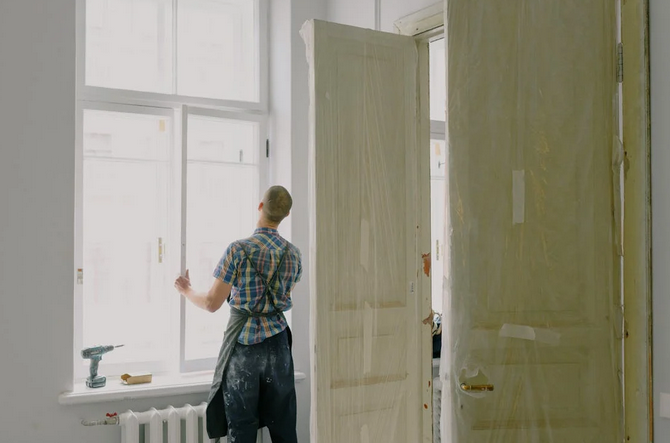
Sometimes cracks don’t appear alone—they come with subtle but important functional problems. One of the clearest signs of structural movement is when cracks coincide with doors or windows that stick, jam, or won’t latch properly. This happens because, as the structure shifts, frames become misaligned. The wall movement distorts openings, making them difficult to operate. While homeowners may chalk this up to seasonal humidity, it’s a strong warning signal if the problem persists alongside visible cracks. Structural engineers are trained to determine whether the movement is minor or points to serious instability. Calling them early can prevent extensive and expensive repairs later.
Cracks in Combination With Uneven or Sagging Floors
Cracks paired with uneven flooring are a double warning sign. When floors slope, sag, or feel unstable, it suggests that the foundation or load-bearing components may be compromised. Add cracks to the picture, and the risk grows clearer. Often, this combination points to settling or shifting that affects the entire structural system. Ignoring these signs might lead to severe safety hazards. A structural engineer can perform detailed measurements, checking how forces are distributed through the building. Their assessment identifies whether reinforcement or foundation repair is necessary. The earlier such problems are addressed, the less costly and disruptive repairs become.
Wall cracks should never be ignored, but knowing which ones matter most can be challenging. Horizontal cracks, cracks wider than a quarter inch, stair-step patterns in masonry, cracks combined with sticking doors or windows, and cracks that appear with uneven floors all signal deeper issues that demand expert evaluation. Each of these signs points to potential structural instability that surface-level repairs cannot resolve. A structural engineer’s input provides clarity, prevents escalating costs, and safeguards your property for the long term. By recognizing these warning signs and acting promptly, you protect both the safety of your building and its long-term value.
Cracks on walls are common, and most property owners notice them at some point. The challenge lies in knowing whether they’re harmless cosmetic blemishes or serious red flags requiring expert attention. While fine, hairline cracks may be tied to minor settling, others can signal major structural shifts compromising stability and safety. Overlooking the wrong type…

